Haute Couture Explained: Craftsmanship, Sustainability, and How to Experience It
Haute couture remains one of fashion’s most magnetic and secretive worlds — where artistry, technique, and luxury converge to create garments that exist as wearable sculpture. While couture may seem removed from everyday style, its influence is vast: from the silhouette trends that filter down to ready-to-wear to the craftsmanship standards that define luxury. What […]
Haute couture remains one of fashion’s most magnetic and secretive worlds — where artistry, technique, and luxury converge to create garments that exist as wearable sculpture. While couture may seem removed from everyday style, its influence is vast: from the silhouette trends that filter down to ready-to-wear to the craftsmanship standards that define luxury.
What makes haute couture different
At the heart of couture is the atelier: a workshop where skilled artisans — embroiderers, pattern makers, milliners, and tailors — bring ideas to life by hand.
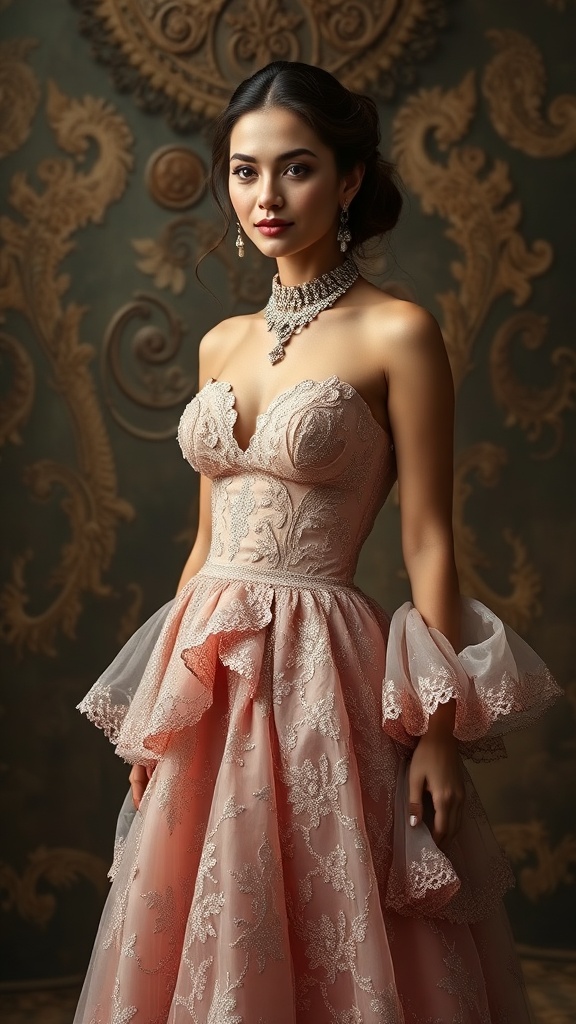
Couture garments are typically made-to-measure, developed through multiple fittings and painstaking handwork. Techniques such as hand embroidery, hand-stitched hems, and intricate beading distinguish these pieces from machine-made clothing. The result is a singular garment tailored to one client’s body and tastes.
Why couture still matters
Couture is a laboratory for fashion innovation. Designers use couture collections to test bold shapes, new textiles, and elaborate embellishment techniques that later influence mainstream design. Couture also functions as a branding engine: elaborate shows and celebrity red-carpet moments create cultural momentum that elevates a couture house’s ready-to-wear, fragrance, and accessories lines.
Sustainability and craftsmanship
Sustainability conversations have reached couture, prompting many ateliers to rethink sourcing, production, and longevity. Because couture emphasizes quality and repairability, it naturally opposes fast-fashion throwaway culture.
More houses are choosing responsibly sourced fibers, reducing waste through meticulous pattern planning, and restoring vintage pieces to extend lifecycles.
The slow, intentional nature of couture aligns with the values of those seeking durable, meaningful garments.
How to experience couture
Access to true haute couture is exclusive, but appreciation is wide open. Museum exhibitions, behind-the-scenes documentaries, and digital lookbooks offer rare insight into atelier work.
For clients, bespoke commissions allow a personal connection to a garment — from selecting fabrics and trims to attending fittings.
For many collectors, couture is both a creative passion and an investment: provenance, preservation, and rarity impact long-term value.
The role of technology
Technology enriches rather than replaces handcraft in couture.
Digital tools help with pattern-making, 3D visualization, and virtual fittings that complement physical fittings for international clients. Social media and livestreaming have made couture presentations more accessible, turning private salon shows into global cultural moments while preserving the mystique of handcrafted detail.
Shopping, renting, and resale
Couture pieces are often one-of-a-kind and meant to be treasured; however, the secondhand and rental markets are opening doors for wider audiences to wear high craftsmanship. Carefully vetted resale platforms and curated rental services offer opportunities to experience couture aesthetics for special occasions without permanent ownership, encouraging broader appreciation of artisanal clothing.
What to look for when appreciating couture
– Examine seams and linings: hand-stitched finishes and painstaking construction signal true craft.
– Inspect embellishments: consistent, intricate embroidery and secure beading show artisan skill.
– Consider fit and silhouette: couture is designed around the body, not standardized sizes.
– Ask about provenance: documentation and atelier records add value and history.
Couture endures because it’s more than clothes: it’s cultural storytelling, a preservation of rare skills, and a commitment to beauty crafted by human hands.
Whether you follow the latest runway drama, commission a bespoke piece, or simply admire the detail up close at a museum, couture offers a powerful reminder of what fashion can be at its most purposeful and artful.