Haute Couture Explained: Craftsmanship, Ateliers, Sustainability and the Future of Luxury Fashion
Haute Couture and couture occupy a singular space where fashion becomes artistry. Rooted in meticulous handcraft and bespoke service, couture pieces showcase skills that machines can’t replicate: hours of hand embroidery, sculpted draping, precision tailoring and finishes invisible to the casual observer. For fashion enthusiasts and collectors, understanding what separates couture from ready-to-wear reveals why […]
Haute Couture and couture occupy a singular space where fashion becomes artistry. Rooted in meticulous handcraft and bespoke service, couture pieces showcase skills that machines can’t replicate: hours of hand embroidery, sculpted draping, precision tailoring and finishes invisible to the casual observer.
For fashion enthusiasts and collectors, understanding what separates couture from ready-to-wear reveals why these garments command such cultural and financial value.
What makes something Haute Couture?
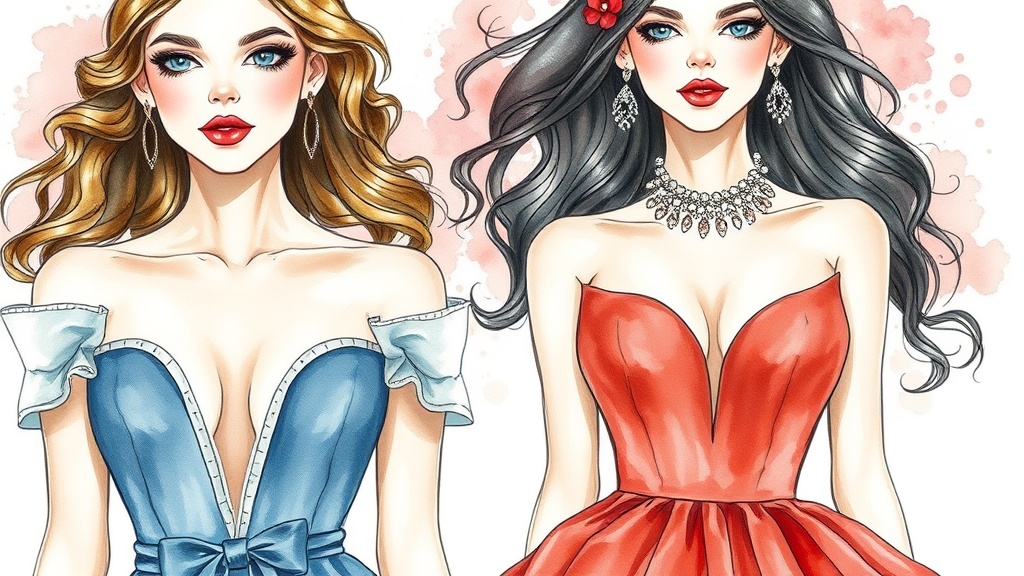
The term Haute Couture is legally protected in France and applies to a select roster of fashion houses that meet exacting standards. Those standards emphasize made-to-measure garments produced in a Parisian atelier, hand-executed techniques, a dedicated workforce of skilled artisans, and a minimum number of original looks presented in private shows or salons. Haute Couture is less about mass sales and more about preserving heritage craft while creating bespoke pieces tailored to an individual client’s body and lifestyle.
Craftsmanship and ateliers
Central to couture is the atelier—the workshop where “petites mains,” or small hands, shape silk, lace, organza and other premium textiles into wearable sculptures. Techniques such as tambour embroidery, hand beading, bias-cutting, and complex corsetry require specialist training and years of experience. These ateliers are incubators for craft knowledge, passing skills across generations to ensure traditional methods survive alongside new innovations.
Couture as brand halo and cultural statement
Even when couture pieces aren’t profitable in volume, they serve an essential role in a fashion house’s identity.
Couture collections elevate brand prestige, generate press coverage around gala season and award shows, and drive desirability for ready-to-wear and accessories. For celebrities, a couture gown offers unmatched exclusivity and red-carpet impact; for designers, it’s an opportunity to push creative boundaries and experiment with materials and forms.
Sustainability and new practices
Couture’s slow-fashion ethos aligns naturally with sustainability: pieces are made to last, repaired by hand, and often passed down or resold.
Yet couture also faces scrutiny over material sourcing and resource intensity.
Forward-thinking ateliers are addressing this by incorporating deadstock fabrics, certified silks, vegetable dyes and transparent sourcing.
Some houses commission small-batch textiles from local mills to support regional craftsmanship, while others rehabilitate vintage trims to reduce waste.
Digital influence and client experience
Technology is reframing parts of the couture journey without replacing the human touch. Digital lookbooks, virtual consultations and augmented reality try-ons make private appointments more accessible to global clients.
Meanwhile, 3D visualization and digital patterning tools can speed up sampling and reduce material waste, even as the final garment remains painstakingly hand-finished.
Couture as investment and resale
Collectors increasingly view couture as an alternative asset class. Provenance, condition and designer pedigree affect resale value, and authenticated pieces from reputable houses retain or even appreciate in worth. A robust secondary market—specialist auctions and high-end consignment platforms—supports liquidity for owners and helps introduce couture to new audiences.
The future of couture
Couture continues to balance preservation with reinvention. Emerging designers are reinterpreting couture codes for a broader range of bodies and lifestyles, emphasizing inclusivity and wearable artistry. At the same time, legacy houses keep refining artisanal techniques and integrating responsible sourcing. The enduring appeal of couture lies in its human scale: a single, hand-made gown that tells a story of technique, vision and time.
For anyone intrigued by the intersection of craft, luxury and innovation, couture offers a rich landscape—one where tradition and experimentation coexist, and where each garment is both a garment and a singular work of art.