Haute Couture Explained: Craftsmanship, Ateliers, Sustainability and How It Shapes Modern Fashion
Haute couture remains the pinnacle of fashion, where artistry, bespoke construction, and uncompromising craftsmanship converge. While couture is often associated with red carpets and exclusive clientele, its influence extends far beyond private fittings—shaping trends, preserving traditional savoir-faire, and driving innovation across the entire fashion ecosystem. What defines haute coutureTrue haute couture garments are made-to-order for […]
Haute couture remains the pinnacle of fashion, where artistry, bespoke construction, and uncompromising craftsmanship converge.
While couture is often associated with red carpets and exclusive clientele, its influence extends far beyond private fittings—shaping trends, preserving traditional savoir-faire, and driving innovation across the entire fashion ecosystem.
What defines haute couture
True haute couture garments are made-to-order for an individual client, hand-cut to exact measurements and hand-finished using time-honored techniques.
These pieces involve multiple fittings and can include elaborate hand embroidery, beading, and innovative fabric manipulation. The term itself signals a level of rarity and expertise: only a select group of ateliers meet the technical, artisanal, and production standards associated with haute couture.
Craftsmanship and ateliers
At the heart of couture are the ateliers—small workshops where master tailors, embroiderers, pattern makers, and seamstresses bring sketches to life.
Techniques such as hand-sewing, tambour embroidery, and hand-smocking demand years of apprenticeship. Many ateliers maintain archives of patterns and methods passed down through generations, making couture an important guardian of textile heritage. Visiting an atelier or watching behind-the-scenes footage can reveal the astonishing hours and meticulous handwork that transform sketches into wearable art.
Couture’s role in fashion and culture
Beyond exclusive commissions, couture functions as a creative laboratory. Designers test new silhouettes, surface treatments, and construction techniques on the couture stage before adapting them for wider audiences. Couture shows continue to generate editorial coverage and cultural conversation, influencing ready-to-wear collections, accessories, and even home décor.
Celebrities and public figures wearing couture on major platforms amplify a house’s visibility and reinforce the emotional value consumers place on extraordinary craftsmanship.
Modern shifts: sustainability and technology
Couture is responding to contemporary concerns by embracing sustainability and technology while retaining artisanal roots. Upcycling, zero-waste pattern cutting, and ethically sourced materials are increasingly integrated into couture practices. Meanwhile, technology such as 3D printing, laser cutting, and digital pattern-making complement rather than replace handcraft, allowing ateliers to experiment with new forms and reduce material waste. These innovations help couture remain relevant to clients who expect both exclusivity and responsibility.
Collecting and caring for couture
Couture garments can be viewed as wearable investments.
Provenance, condition, and documentation play a big role in long-term value—photographs from their debut, receipts, and care records are essential. Proper storage is crucial: climate-controlled conditions, padded hangers, breathable garment bags, and acid-free tissue protect delicate fabrics and embellishments.
Professional conservators should handle major repairs and cleaning to preserve the integrity of hand-finished details.
How to experience couture
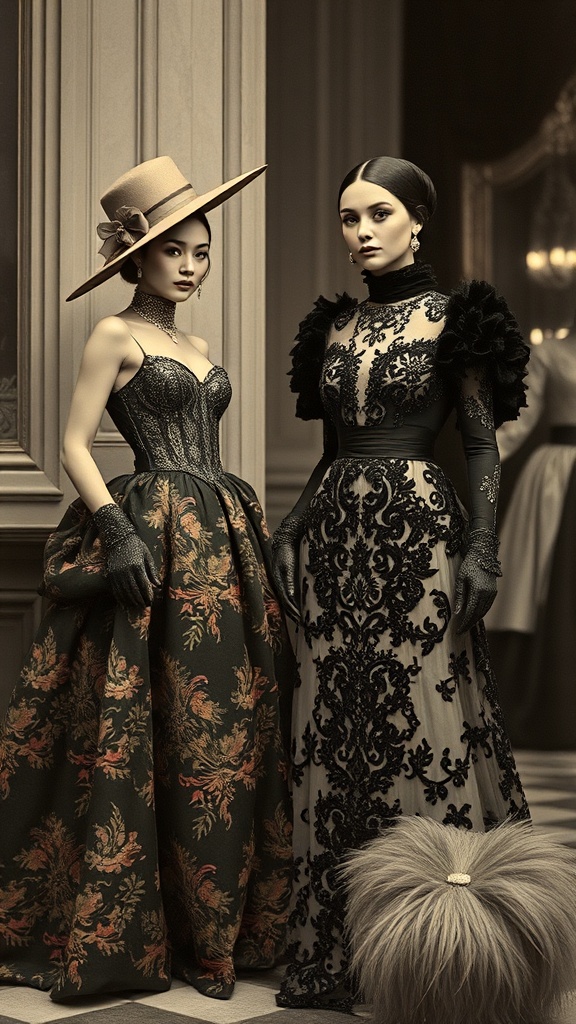
Access to the couture world is more open than ever. Many houses offer private consultations by appointment, trunk shows, or made-to-measure services that translate couture techniques into more attainable price points. Fashion weeks and media platforms showcase couture collections to global audiences, and virtual tours offer glimpses into ateliers and craftsmanship. For enthusiasts, books, museum exhibitions, and specialist auctions provide ways to study and collect couture history.
Why couture still matters
Couture represents an enduring commitment to craft, individuality, and creative expression.
It preserves rare skills, pushes technical boundaries, and frames fashion as a form of fine art. For those who value the tactile, the bespoke, and the exceptional, couture continues to inspire—and to shape the broader narrative of style and innovation.