Haute Couture Explained: Craft, Culture, and the Future of Luxury Fashion
Haute Couture: Craft, Culture, and the Future of Luxury Haute couture represents the pinnacle of fashion craft — one-of-a-kind garments created by master artisans for private clients. While couture is often associated with dramatic runway shows and red-carpet glamour, its real value lies in meticulous handcraft, exacting fit, and a deep commitment to tradition and […]
Haute Couture: Craft, Culture, and the Future of Luxury
Haute couture represents the pinnacle of fashion craft — one-of-a-kind garments created by master artisans for private clients. While couture is often associated with dramatic runway shows and red-carpet glamour, its real value lies in meticulous handcraft, exacting fit, and a deep commitment to tradition and innovation.
What makes haute couture different?
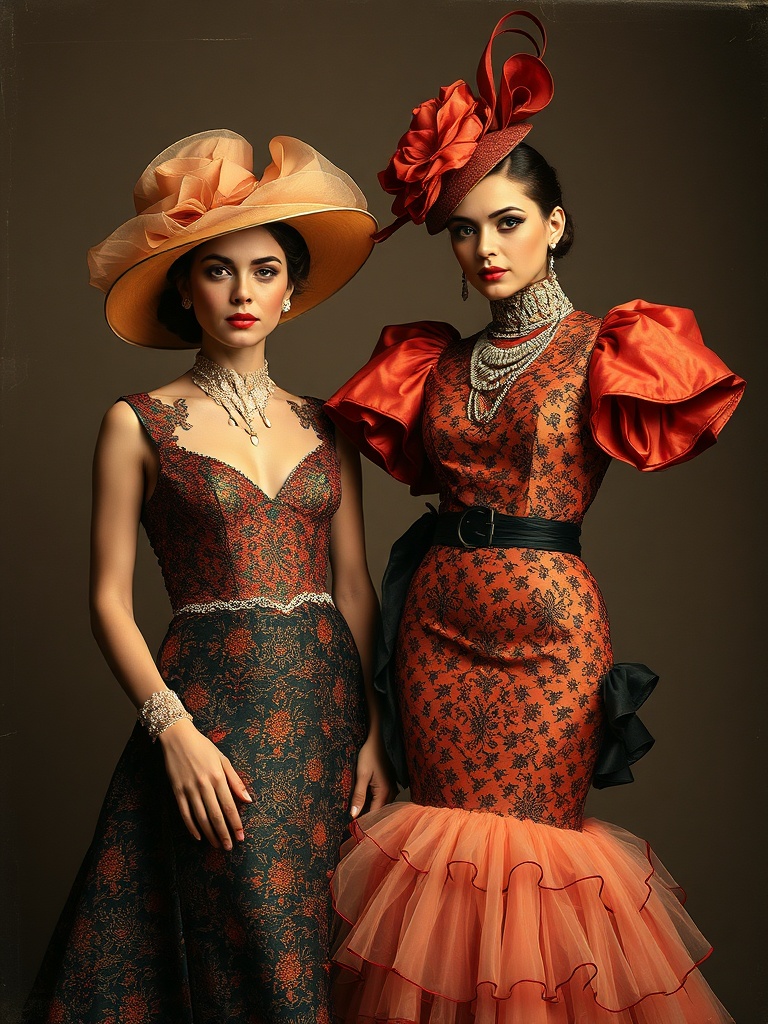
Couture garments are made-to-measure for an individual client, not mass-produced. The process starts with multiple fittings, bespoke patterning, and a muslin toile to perfect the silhouette. From there, ateliers apply time-intensive techniques — hand embroidery, intricate beading, hand-stitched hems, and tailored structure that machines cannot replicate.
These techniques create garments that are both durable and uniquely expressive.
The atelier ecosystem
Ateliers are small, specialized workshops where highly trained artisans — embroiderers, tailors, pleaters, and milliners — collaborate. Many techniques are passed down through apprenticeship, preserving rare skills that are increasingly scarce.
This human expertise is central to couture’s appeal: each stitch reflects a level of attention and skill that creates lasting value.
Couture and cultural influence
Beyond serving private clients, couture acts as a creative engine for the broader fashion industry.
Designers experiment with materials, silhouette, and construction in couture before translating elements into ready-to-wear collections. Editorial fashion, cinema, and even bridal wear often borrow from couture’s vocabulary, making these artisanal innovations accessible to a wider audience.
Sustainability and longevity
Couture aligns naturally with slow-fashion principles. Because pieces are crafted to last and often bespoke, they encourage fewer purchases and longer use. Many houses also offer repair, restyling, and archive services to extend a garment’s life.
The secondhand and auction markets further illustrate couture’s lasting value, with well-preserved pieces maintaining cultural and monetary worth over decades.
Technology meets tradition
While couture is rooted in handwork, technology plays a growing role in streamlining some aspects of the craft. Digital patterning, 3D scans for virtual fittings, and advanced fabric engineering assist ateliers without replacing artisanal hand finishes. Social media and immersive digital presentations also broaden couture’s reach, allowing maisons to showcase the labor behind each piece to an international audience.
Client experience and personalization
Couture clients expect privacy, exclusivity, and a highly personalized service. Appointments can include mood boards, fabric sourcing trips, and collaborative decision-making that shapes each garment’s story.
This relationship-driven approach transforms clothing into heirlooms and often results in pieces intended for multiple generations.
Supporting the future of couture
Preserving couture means supporting the people who make it possible.
Apprenticeships, collaborative grants, and partnerships with museums and cultural institutions help transmit skills to new practitioners. At the same time, a mindful embrace of technology and sustainable sourcing can ensure ateliers remain viable in a shifting luxury landscape.
Couture remains more than spectacle; it’s a living craft that balances artistry, heritage, and modern relevance.
For those who value rarity, precision, and narrative in fashion, couture continues to set the standard for what made-to-measure luxury can be.