From Runways to Social Media: The Evolution of Fashion Week Coverage in the Digital Age
Undeniably, Fashion Week stands as a colossal event in the creative world, an ensemble of the most innovative minds in the industry showcasing their visions. From decadent designs to emerging trends, Fashion Week never fails to spark intrigue and inspiration in fashion enthusiasts and casual observers alike. This article delves into the heart of Fashion […]
Undeniably, Fashion Week stands as a colossal event in the creative world, an ensemble of the most innovative minds in the industry showcasing their visions. From decadent designs to emerging trends, Fashion Week never fails to spark intrigue and inspiration in fashion enthusiasts and casual observers alike. This article delves into the heart of Fashion Week and the evolution of how it is covered in today’s digital age.
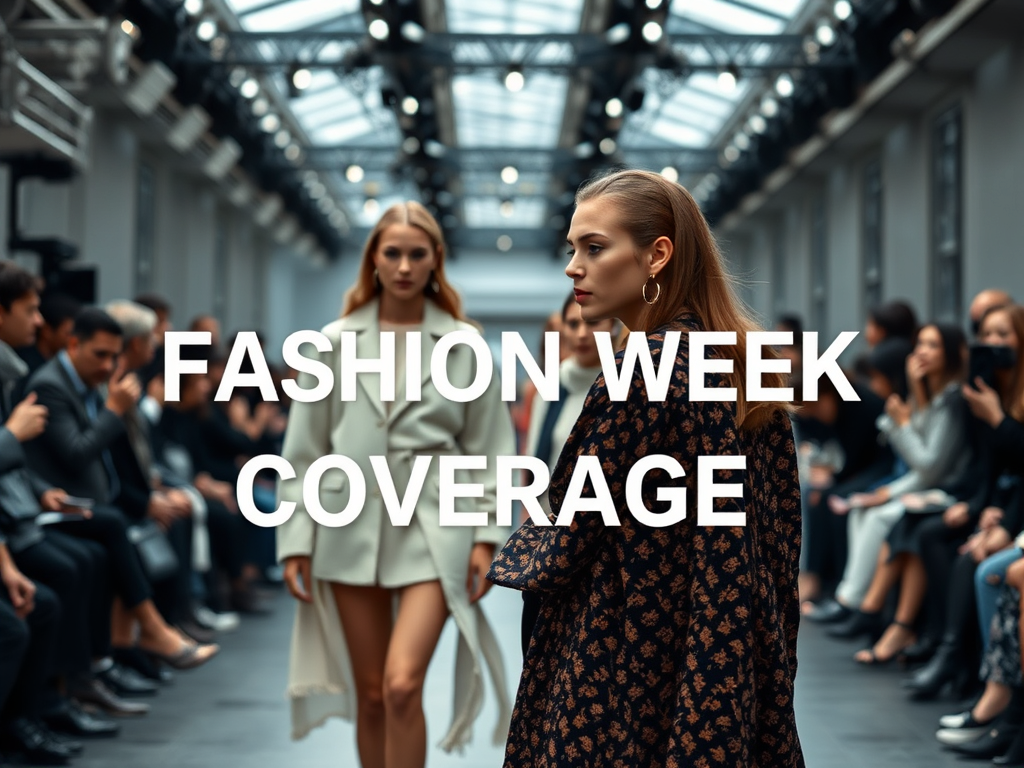
In the fashion cosmos, Fashion Week is akin to the Super Bowl. Famed for its grandeur and exclusivity, the event, held in four fashion capitals- New York, London, Milan, and Paris, is a time when designers, models, and fashion houses present their latest collections. It’s an eagerly anticipated spectacle, attracting an international audience eager to get a glimpse of the trends shaping the upcoming season.
Traditionally, Fashion Week’s coverage was limited to select attendees, predominantly fashion editors of top-tier magazines.
However, in recent times, the advent of social media has dramatically disrupted this model. Today, Fashion Week’s coverage is no longer a privilege enjoyed by a select few but is almost universally accessible.
The cornerstone of this transformation is immediate coverage. Today, the moment a model steps onto the runway, images are captured and disseminated across a variety of social media platforms like Instagram, Twitter, and Pinterest.
Live streaming has also taken center stage, offering real-time immersion into the world of haute couture and high fashion. This instant access is shaping the way we consume, understand, and respond to fashion.
Moreover, this digital coverage is not limited to the runway alone. Backstage happenings, designer interviews, and street style – the moments away from the runway have become as important a part of Fashion Week’s narrative as the runway collection itself. These moments, captured and shared, offer consumers an intimate look into the world of fashion, which was previously concealed.
The rise of bloggers and influencers in recent years has also significantly impacted Fashion Week coverage. Their personal perspectives, coupled with their massive follower base, offer a fresh, accessible take on the event. They have the power to create trending moments, amplify conversations, and effectively influence public opinion on collections and designers.
However, this democratization of Fashion Week coverage has its critics. Some argue that the exclusivity once associated with the event is lost, and the constant digital presence is diluting the intrinsic value of the collections. Yet, the counter-argument holds that this extended reach and instant access are propelling the fashion industry forward, making it more inclusive and dynamic.
The role of sustainability and ethical fashion is another critical aspect shaping Fashion Week’s coverage today. Brands showcasing their commitment to the environment and social responsibility garner significant media attention, signifying the importance of these values in today’s fashion narrative.
In essence, the coverage of Fashion Week has undeniably evolved from being a closed-door event for a select few to a global phenomenon that is more accessible and inclusive. Despite the debates around its implications, one cannot deny the immense impact it has had on shaping the fashion industry’s trajectory.
Today, Fashion Week is not just about the clothes showcased on the runway, but also about the shared experiences, stories, and values that resonate with audiences worldwide. It’s a testament to the ever-evolving nature of fashion and the power of digital media in shaping its narrative.