Fashion Week Guide: What to Watch, Where to Follow, and How to Shop Trends
Fashion Week Coverage: What to Watch and How to Follow the Shows Fashion Week coverage has evolved from a few key runways into a global cultural event that shapes buying decisions, street style, and beauty trends. Whether you’re a fashion professional, a trend-savvy shopper, or a curious viewer, knowing where to look and what matters […]
Fashion Week Coverage: What to Watch and How to Follow the Shows
Fashion Week coverage has evolved from a few key runways into a global cultural event that shapes buying decisions, street style, and beauty trends.
Whether you’re a fashion professional, a trend-savvy shopper, or a curious viewer, knowing where to look and what matters will make your coverage richer and more actionable.
What the runways are showing
Runway highlights often set the tone for seasons ahead.
Pay attention to recurring themes across shows—color palettes, dominant silhouettes, and fabric choices reveal collective direction. Key elements to watch:
– Silhouettes: Look for shifts between relaxed and structured tailoring; small changes in shoulder lines or waist definition can signal broader adoption.
– Fabrics and finishes: Textures like knitwear, shearling, metallics, and sustainable blends often indicate where retailers will focus production.
– Statement pieces: Outerwear, footwear, and bags that command attention usually become best-sellers or influencer staples.
Beyond the runway: street style and beauty
Street style photographers and influencers amplify trends in candid, wearable ways. These looks translate runway concepts into everyday outfits and are a goldmine for styling ideas.
Beauty trends—hair textures, makeup palettes, and nail art—often spread rapidly from backstage to social feeds, influencing what consumers request at salons and what sells at beauty counters.
Backstage access and storytelling
Backstage coverage provides context: designers’ inspirations, craftsmanship details, and the team behind makeup and hair.
Interviews with creative directors, pattern makers, and wardrobe stylists deepen understanding of a collection’s narrative. Look for time-lapse videos, backstage reels, and designer notes that explain how a collection comes together.
How to follow Fashion Week coverage
– Official live streams and showrooms: Many organizers and brands offer digital front-row access with real-time streaming and virtual lookbooks.
– Social media platforms: Short-form video platforms and visual feeds deliver highlights, street style, and influencer reactions instantly.
– Editorial and independent blogs: Long-form reviews and trend analysis help decode what’s commercially viable versus experimental.
– Shoppable content: Live commerce and shoppable videos let viewers buy pieces or similar items immediately after shows.
Sustainability, diversity, and tech trends
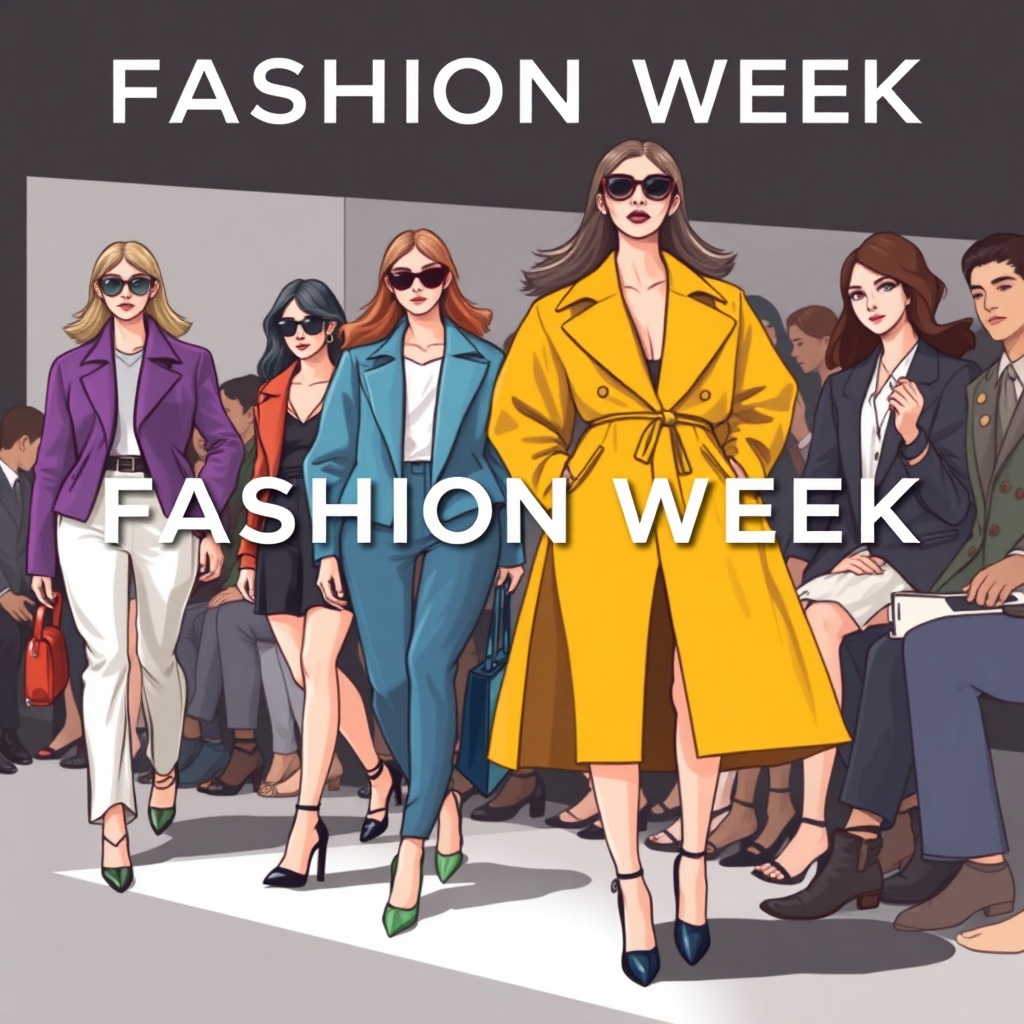
Coverage increasingly focuses on sustainability—designers using deadstock, recycled materials, or modular designs, and brands committing to transparent supply chains.
Diversity and inclusivity in casting and sizing continue to be a major conversation, reflected in both runway rosters and editorial features. Technology also plays a growing role: augmented reality try-ons, virtual showrooms, and immersive overlays make collections more accessible to global audiences.
Turning runway into reality
To adapt runway trends for everyday wear:
– Invest in one standout piece per trend cycle (coat, shoe, or bag) and pair it with classic wardrobe staples.
– Rework proportions: balance oversized shapes with fitted pieces to keep looks wearable.
– Focus on color accents or accessories if you’re not ready for full trend commitment.
Where to get reliable coverage
Look for reputable fashion publications, independent critics, and curated aggregator accounts that separate hype from meaningful trends.
Follow designers’ own channels for inspiration and retailer edits for practical, shop-ready options.
Stay connected to the narrative by subscribing to curated newsletters or following a few trusted commentators. That way you’ll catch the runway’s signals and turn Fashion Week coverage into real, wearable style decisions.