Fashion Week Coverage: What to Watch, Top Trends & How to Shop the Runway
Fashion Week coverage has evolved from a handful of packed shows into a multi-channel cultural moment that shapes buying decisions, street style and how designers tell their stories. Whether you follow from a seat at the show or your phone, knowing what to watch and how trends are translating to real life makes the experience […]
Fashion Week coverage has evolved from a handful of packed shows into a multi-channel cultural moment that shapes buying decisions, street style and how designers tell their stories. Whether you follow from a seat at the show or your phone, knowing what to watch and how trends are translating to real life makes the experience more valuable.
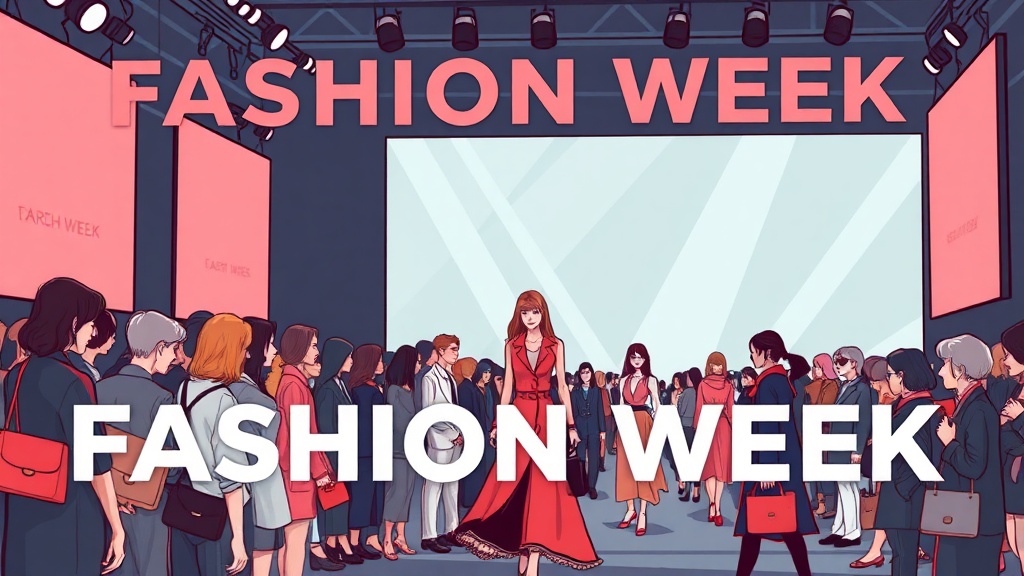
What to watch during Fashion Week coverage
– Runway trends: Look for recurring motifs across shows — silhouettes, color palettes, and fabric choices that multiple designers riff on. These collective signals predict what will appear in high-street collections and luxury boutiques.
– Sustainability signals: Pay attention to materials (recycled fabrics, regenerated leather, low-impact dyes), production notes, and upcycling stories.
Designers are increasingly highlighting provenance and circularity as part of their presentations.
– Presentation formats: From theatrical runway productions to intimate salon shows and livestreamed presentations, format affects how collections are perceived. Immersive staging, music direction, and casting choices often shape the narrative as much as the clothing.
– Street style and influencer impact: Street style photographers and influencers still set aspirational looks that quickly become commercialized.
Social platforms accelerate the cycle, turning standout looks into immediate shopping demand.
Top trends likely to emerge across coverage
– Tailored ease: A balance between precision tailoring and relaxed silhouettes — think soft suiting with roomy proportions — that blends polish with comfort.
– Textural play: Mixed textures and tactile fabrics, such as boucle, ribbed knits, and signature hardware, add depth to minimal designs.
– Statement accessories: Oversized bags, sculptural jewelry, and footwear with pronounced silhouettes continue to be focal points that anchor outfits.
– Gender-blurring styling: Fluid dressing and gender-neutral cuts are increasingly visible, with masculine and feminine codes blended in creative ways.
How to follow Fashion Week coverage effectively
– Follow official streams and designer channels for full-show videos and lookbooks to see collections in context.
– Use curated daily roundups from respected fashion editors and industry newsletters to cut through the noise and spot the most commercially relevant pieces.
– Track hashtags and street-style accounts for on-the-ground trends and styling ideas that translate quickly into wearables.
– Leverage shoppable content: Many platforms now tag looks directly from the runway so you can “shop the look” moments that resonate.
Shopping and styling tips
– Translate runway to real life by focusing on one or two striking elements — an accessory, a color or a silhouette — instead of copying entire looks head-to-toe.
– Invest in versatile wardrobe foundations (neutral tailoring, quality knitwear) and update them with trend-driven accessories.
– Prioritize longevity: choose trends that enhance your existing wardrobe and match your lifestyle rather than chasing every fleeting moment.
Why coverage matters beyond the glamour
Fashion Week coverage informs what consumers will see in stores, shapes retail buying, and steers cultural conversations about identity, sustainability and innovation. For brands, it’s an opportunity to define narrative and enter direct conversation with buyers and fans. For consumers and stylists, it’s a source of inspiration and practical cues for how fashion will translate into daily life.
For ongoing updates, follow a mix of designer channels, trusted editors, and street-style photographers. That blend gives both the curated vision of the runway and the real-world styling that turns shows into wearable fashion.