Fashion Week Coverage Today: How Celebrity, Controversy and New Cities Are Redefining the Runway Story
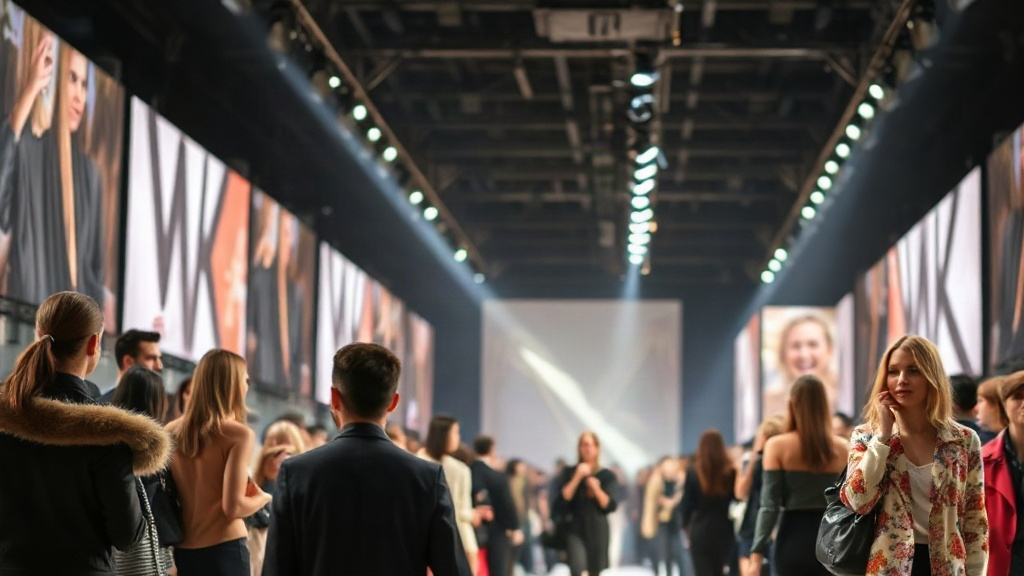
Fashion week coverage has changed more in the last few years than in the previous few decades. The runway is still the centerpiece, but the story now unfolds across front rows, street corners, group chats and comment sections. Readers want more than a list of looks. They want context, access and a point of view.
The Calendar Is Widening
The big four, New York, London, Milan and Paris, still set the rhythm of the industry. But audiences increasingly follow the so-called secondary markets too. Fashion Magazine 24 recently announced expanded coverage of Miami Fashion Week, a sign that publishers see real appetite for resort-minded, culture-driven events outside the traditional capitals.
For editors, this is both an opportunity and a resource challenge. Covering more cities means building local contributor networks, planning around travel and producing content that doesn't feel like a rehash of the same trend report. Outlets that stand out tend to lean into what makes each city distinct, whether that's climate, community or a particular design sensibility.
Celebrity Still Drives the Click
Few things move traffic like a well-timed celebrity appearance. Coverage of Jennifer Lopez at Paris Fashion Week, complete with her sister Lynda as a plus-one, is a good example of how front-row moments become stories of their own. The outfit, the company she kept and the timing around a milestone birthday all fed the narrative.
For publishers, the lesson is that audiences respond to personality as much as to product. A strong front-row piece pairs the star's look with a clear explanation of the designer, the brand relationship and why the moment matters. That keeps it from reading like a photo dump.
When the Show Becomes the Story
Not every headline comes from the clothes. During New York Fashion Week, a confrontation involving protesters and a fashion executive sparked a wave of discussion, and PETA said it planned to meet with the executive afterward. Moments like this show that fashion week is no longer a closed room. Activism, public opinion and brand reputation all collide in real time.
Responsible coverage means reporting what happened, giving multiple parties a chance to speak and avoiding the rush to a hot take. Readers notice when a publication handles a sensitive moment with care, and that trust carries over to its more lighthearted coverage.
Embracing the Divisive Show
Then there are the collections that split opinion. Vanity Fair described a recent Collina Strada runway show as one that divided fashion, and that kind of debate is exactly what keeps fashion week culturally relevant. A polarizing show creates a conversation, and the best coverage steps into it with real analysis instead of hedging.
Critics and editors can add value here by explaining the intent behind a collection, placing it in the designer's larger body of work and being honest about where it succeeds or falls short. Praise and criticism both land harder when they're specific.
What Strong Coverage Looks Like Now
A few principles separate memorable fashion week reporting from the noise:
- Speed with substance. Being first matters less than being useful. Quick social posts can capture the moment, while longer pieces should offer insight that can't be found in a gallery. - Multiple formats. Short video, photo essays, newsletters and live blogs each serve a different reader. Repurposing the same story across them extends its reach. - Search-friendly structure. Clear headings, designer names, venue details and trend terms help readers find coverage long after the shows end. Evergreen angles, like how to wear a trend or what a collection signals about the season ahead, keep content working for months. - Authentic voice. Audiences can tell when a writer was in the room and when they were rewriting a press release.
Looking Ahead
Fashion week will keep growing, fragmenting and surprising its audience. New host cities will emerge, brands will experiment with see-now-buy-now timing and live streams, and the line between spectacle and social commentary will keep blurring.
The outlets that thrive will treat every show as a story with layers: creative, commercial and cultural. Readers don't just want to know what walked down the runway. They want to understand why it mattered, and who was watching.