Fashion Week Coverage: The Ultimate Guide to Live Streams, Short-Form Reels & Shoppable Runway Content
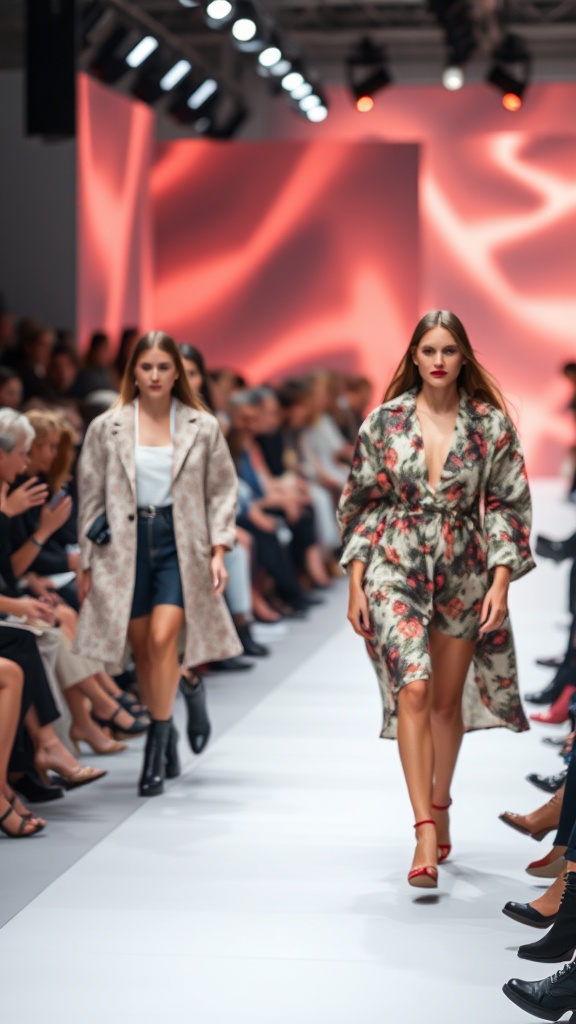
Fashion Week coverage has shifted from exclusive front-row reports to a fast, multi-channel storytelling machine. With designers staging ever more dramatic presentations and audiences craving both spectacle and substance, coverage that combines immediacy with context stands out. Whether you’re a journalist, brand, photographer, or influencer, optimizing how you cover runway shows will increase reach and […]
Fashion Week coverage has shifted from exclusive front-row reports to a fast, multi-channel storytelling machine. With designers staging ever more dramatic presentations and audiences craving both spectacle and substance, coverage that combines immediacy with context stands out. Whether you’re a journalist, brand, photographer, or influencer, optimizing how you cover runway shows will increase reach and engagement.
What audiences want
Audiences now expect a mix of live moments and thoughtful curation.
Quick-hit formats—vertical videos, short-form reels, and real-time stories—capture attention.
Longer-form content—editorials, interviews, and trend roundups—adds authority and drives search traffic. Street style, backstage access, and product close-ups each serve different user intents: inspiration, insider curiosity, and shoppable discovery.
Essential coverage elements
– Live streaming: Partner with platforms that support vertical, mobile-first viewing and low-latency streams to keep viewers engaged. Offer behind-the-scenes commentary and designer Q&As to add value beyond the runway feed.
– Short-form social: Create 10–60 second clips optimized for Reels, TikTok, and similar feeds. Prioritize punchy edits, trend-driven music, and strong thumbnails.
– High-quality imagery: Editorial stills remain crucial for press and e-commerce. Capture full looks, fabric details, and accessories for editorial and retail reuse.
– Backstage and human stories: Profiles of models, stylists, and artisans add emotional depth. These narratives perform well as carousel posts and long-read features.
– Shoppable content: Integrate shopping links into posts and livestreams. Shoppable tags and instant checkout reduce friction between discovery and purchase.
Trends to highlight
Sustainability and circular design continue to be major storylines.
Coverage that explains material innovation, transparent supply chains, and rental/resale initiatives resonates with conscious consumers. Diversity and inclusivity on the runway remain important; spotlight cast choices and size-inclusive collections to reflect cultural shifts.
Style and format tips for maximum reach
– Optimize headlines and captions for search: Use keywords like “runway trends,” “street style,” “Fashion Week highlights,” and “designer collections” naturally.
– Use time-stamped storytelling: Publish rapid-reaction posts during shows, then follow with in-depth analysis and lookbooks that drive evergreen traffic.
– Repurpose smartly: Turn a single interview into a podcast, a short video clip, an illustrated quote card, and a detailed article to reach different audiences.
– Prioritize vertical-first shots: Capture footage that works natively in mobile feeds without needing heavy cropping.
– Create shareable moments: Memorable outfits, choreography, or staging are more likely to go viral—identify and amplify these instantly.
Technical and logistics advice
Secure press credentials early, and confirm streaming permissions and embargo policies. Build a compact kit for on-site work: fast lenses for low light, portable chargers, and a lightweight gimbal for steady mobile footage. Coordinate with PR teams to schedule interviews and sample access for detailed product coverage.
Measuring success
Track both engagement (views, likes, shares) and conversion metrics (click-throughs to product pages, pre-orders, newsletter sign-ups). Use UTM parameters to attribute traffic from social and live-stream campaigns accurately.
Fashion Week coverage is competitive, but brands and creators who blend speed, storytelling, and commerce will capture the most value. Prioritize authenticity, diversify formats, and plan distribution so memorable runway moments become lasting brand touchpoints. Keep listening to audience feedback and iterate—that responsiveness will keep coverage fresh and relevant.