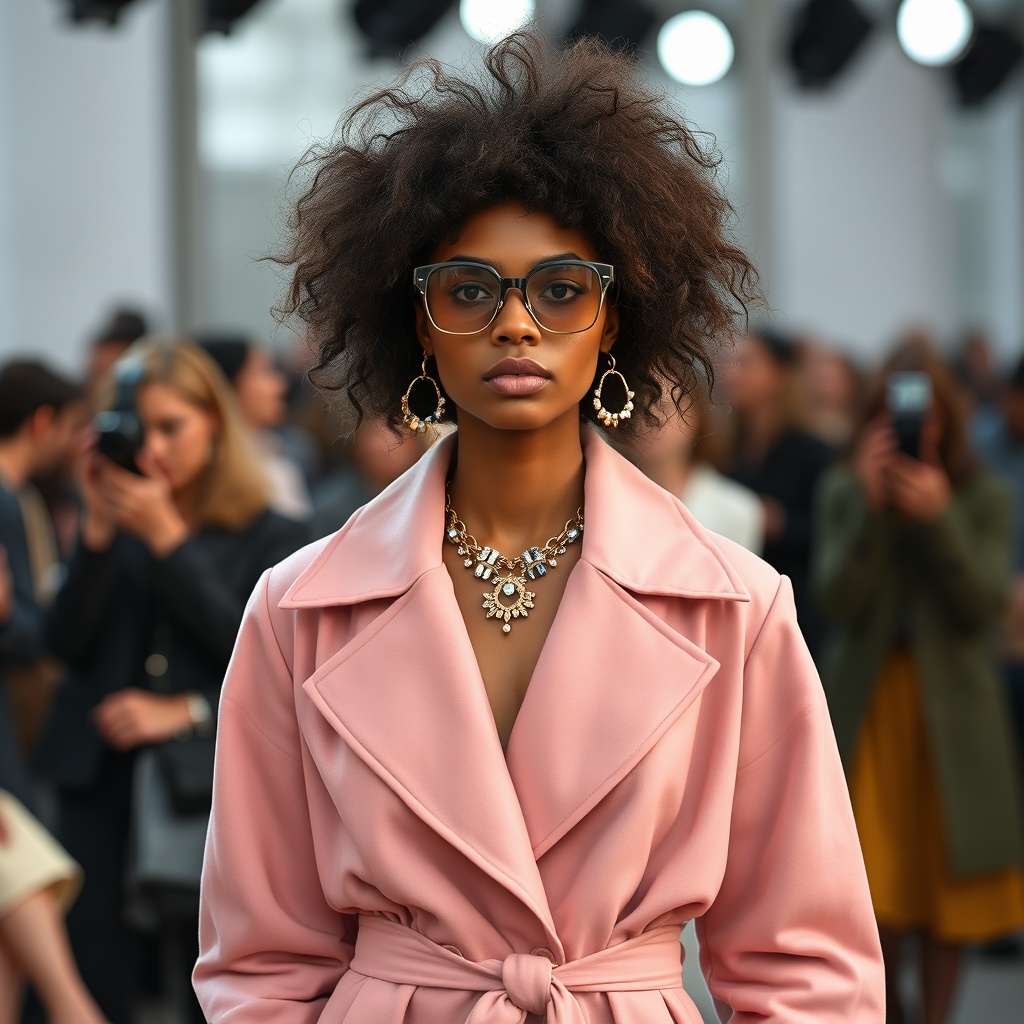
Fashion Week Coverage That Converts: Digital-First Strategies, Shoppable Content, Street Style & Sustainability
Fashion Week coverage has evolved from a handful of exclusive runway reports into a global, multimedia phenomenon. Today’s audiences expect instant runway reactions, curated street style, and behind-the-scenes access across multiple platforms. For media, brands, and creators, the challenge is turning fast-moving moments into lasting engagement. What to watch beyond the runwayRunway shows still set […]
Fashion Week coverage has evolved from a handful of exclusive runway reports into a global, multimedia phenomenon. Today’s audiences expect instant runway reactions, curated street style, and behind-the-scenes access across multiple platforms. For media, brands, and creators, the challenge is turning fast-moving moments into lasting engagement.
What to watch beyond the runway
Runway shows still set the tone, but the narrative now extends to who’s wearing what off the schedule: street style stars, front-row celebrities, and unexpected collaborations shape how collections are received.
Pay attention to:
– Silhouettes and fabrics that repeat across labels—these become lookbook staples.
– Styling choices that translate high fashion into wearable outfits—mixes of tailoring, utility pieces, and elevated basics dominate broader retail.
– Beauty details (hair, skin, nails) that influencers and retailers replicate quickly.
Digital-first strategies that win attention
Livestreams and bite-sized video continue to replace delayed photo dumps. Brands that combine live coverage with immediate shoppable content capture impulse buyers and convert curiosity into sales. Best practices include:
– Short-form clips optimized for vertical viewing, highlighting show highlights within the first three to six seconds.
– Real-time shoppable tags and product links embedded in social posts and broadcasts.
– Behind-the-scenes micro-content—makeup touch-ups, fittings, and designer interviews—formatted for stories and reels.
Street style: the unofficial second runway
Street style photographers and content creators are often the first to translate runway trends into streetwear language. For coverage:
– Curate a mix of polished edits and candid moments to show how trends live in the real world.
– Use descriptive captions that name designers, brands, and key pieces to improve search visibility.
– Include outfit breakdowns and price ranges to help readers connect editorial looks to attainable options.
Sustainability and ethical storytelling
Sustainability is central to coverage today. Audiences expect transparency about materials, manufacturing, and lifecycle practices. Report on:
– Designers prioritizing circularity, rental models, and upcycling.
– Brands offsetting production impacts and documenting verifiable supply-chain changes.
– Shows that minimize waste through staged production choices or digital presentations.
Making press coverage work harder
For PR teams and journalists, longevity matters.
Create assets that live beyond the show:
– Comprehensive press kits with high-res imagery, product specs, and designer statements.
– Search-optimized captions and metadata for images to improve discoverability.
– Evergreen features—designer profiles, trend explainers, and “how to wear” guides—that can be republished across editorial calendars.
Monetization and measurement
Tracking impact means looking past vanity metrics. Key performance indicators include engagement rate, time on page, click-throughs to product pages, and conversion rates from shoppable content. Affiliate links, limited-edition drops after shows, and sponsored commentary are reliable revenue paths when paired with transparent attribution.
Emerging tech and new touchpoints
Augmented reality try-ons, virtual showrooms, and interactive lookbooks are closing the gap between inspiration and purchase. Collectible digital pieces and special-access NFTs appear as experimental layers for brand loyalists, but storytelling and product availability remain the core drivers of reach.
Practical checklist for effective coverage
– Prepare shareable assets ahead of time: bios, product lists, and high-quality images.
– Prioritize short-form video and live updates for immediate reach.
– Tag designers, stylists, and brands; use clear, searchable captions.
– Highlight sustainability claims with verifiable details.
– Repurpose runway moments into how-to content and shoppable guides.
Fashion Week is no longer a single-week event; it’s an ongoing conversation. The most effective coverage blends speed with substance, using accessible storytelling to translate runway intent into everyday style.