Fashion Week Coverage Is Evolving: From Runway Reviews to Athletes, Celebrity Style and Designer Storytelling
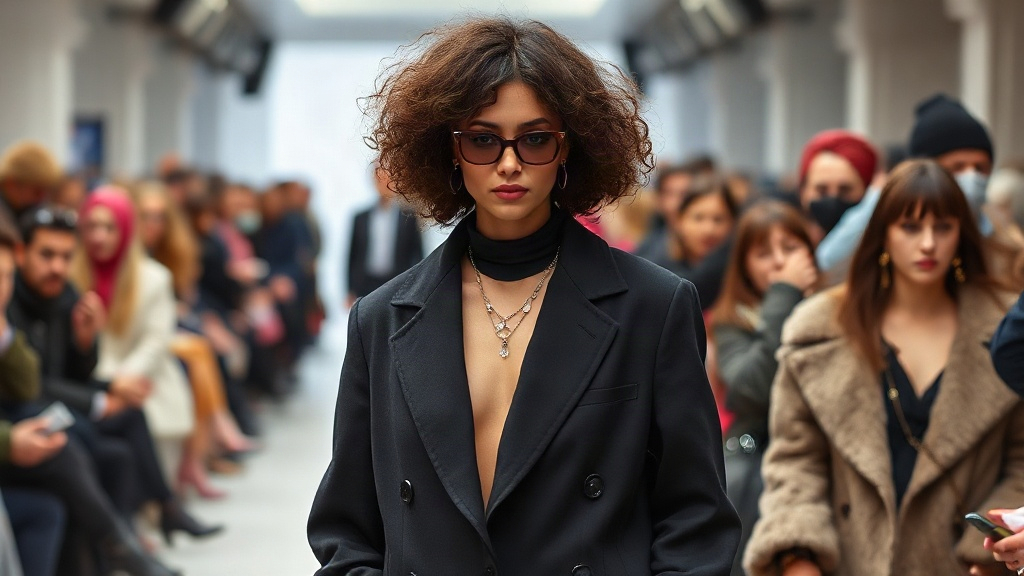
Fashion week coverage no longer begins when the first model steps onto the runway or ends when the final bow is taken. Today it stretches across front rows, street corners, social feeds, magazine covers and the months of conversation that follow. The most interesting recent stories show how far the genre has moved beyond the traditional runway review.
When Athletes Take the Front Row
One of the more talked-about crossovers came when figure skater Alysa Liu swapped the Milano-Cortina Winter Games spotlight for the Paris Fashion Week circuit, as reported by Vogue. The story works because it taps into a shift editors have noticed for several seasons: athletes are now treated as cultural figures with their own style identities, not just as brand ambassadors.
For readers, that pairing offers a fresh entry point. Someone who might never read a collection breakdown will click on a story about a favorite Olympian navigating the showgoer's schedule. For publishers, it means fashion week coverage can pull in sports, entertainment and lifestyle audiences at the same time.
Personal Style as the Longer Story
Fashion week also feeds into the profile pieces that run long after the shows end. Tatler's cover story on Caitríona Balfe, framed as a journey "from fashion week to the silver screen," shows how front-row appearances become part of a public figure's wider narrative. Red carpets, show invitations and wardrobe choices are read as a through line, a visual résumé that explains how someone's taste developed.
This is a useful lesson for anyone producing fashion content. The runway moment is only the starting point. The richer material comes from connecting that moment to a person, a career or a larger cultural shift.
Collections Still Carry the Conversation
None of this replaces the clothes. Vogue's review of the latest Anrealage spring ready-to-wear collection is a reminder that designers with a strong conceptual identity still anchor the season. The Japanese label, led by Kunihiko Morinaga, has built its reputation on experimentation with color, light and technique, and that kind of distinct point of view gives critics something to analyze beyond trends.
Good collection coverage does three things well:
- It explains the idea behind the clothes, not just what appeared on the runway. - It places the designer's work in the context of earlier collections. - It translates ambitious concepts into what readers might actually see or wear.
What Readers Want From Coverage Now
Audiences have access to livestreams and runway images almost instantly, so they no longer turn to editors for basic reporting of what happened. They want interpretation, context and a clear point of view. Several qualities consistently separate strong coverage from filler:
Speed with substance. Quick-turn reviews still matter, but the ones that last add insight rather than simply describing silhouettes.
Human angles. Stories about the people attending, wearing and reacting to the clothes tend to travel further than a list of looks.
Clear searchable framing. Readers looking for a specific brand, city or season should be able to find coverage easily, which makes descriptive headlines, organized sections and consistent naming essential.
Trend synthesis. Rather than reviewing each show in isolation, the best pieces step back and ask what the season says about mood, craft and consumer appetite.
Looking Ahead to the Next Season
The rhythm of the fashion calendar guarantees there will always be another round of shows to cover, but the way those shows are covered keeps evolving. Cross-industry guests bring new audiences. Celebrity profiles extend the life of a single front-row moment. Designers with strong ideas, like those who treat fabric as a technological canvas, give critics reasons to write with depth.
For publishers and readers alike, the opportunity is to treat fashion week as a living story rather than a one-week event. The strongest coverage honors the artistry of the collections while recognizing that the people around them, from Olympians to actors, are now a vital part of how fashion is seen, shared and remembered.