Fashion Week Coverage in the Multimedia Age: A Practical Guide to Capturing Runway Trends, Building Authority, and Driving Conversions
Fashion Week coverage has evolved from runway-only reporting to a multi-platform, multimedia experience that shapes consumer trends, retail behavior, and brand narratives. Whether you’re a journalist, influencer, PR pro, or brand marketer, understanding how to capture attention during this condensed burst of creativity is essential. What audiences wantAudiences crave immediacy, context, and accessibility. Short-form video […]
Fashion Week coverage has evolved from runway-only reporting to a multi-platform, multimedia experience that shapes consumer trends, retail behavior, and brand narratives.
Whether you’re a journalist, influencer, PR pro, or brand marketer, understanding how to capture attention during this condensed burst of creativity is essential.
What audiences want
Audiences crave immediacy, context, and accessibility. Short-form video snippets, candid backstage moments, and quick trend rundowns perform well across social platforms.
At the same time, thoughtful editorial storytelling—designer interviews, construction details, and sustainability credentials—build long-term authority and shareability.
Key formats that win attention
– Short-form video: Rapid edits, close-ups of fabric and detailing, and runway clips optimized for Reels, TikTok, and similar platforms generate quick engagement.
– Long-form features: Deep dives into a designer’s inspiration, craft techniques, and cultural references resonate with readers seeking substance.
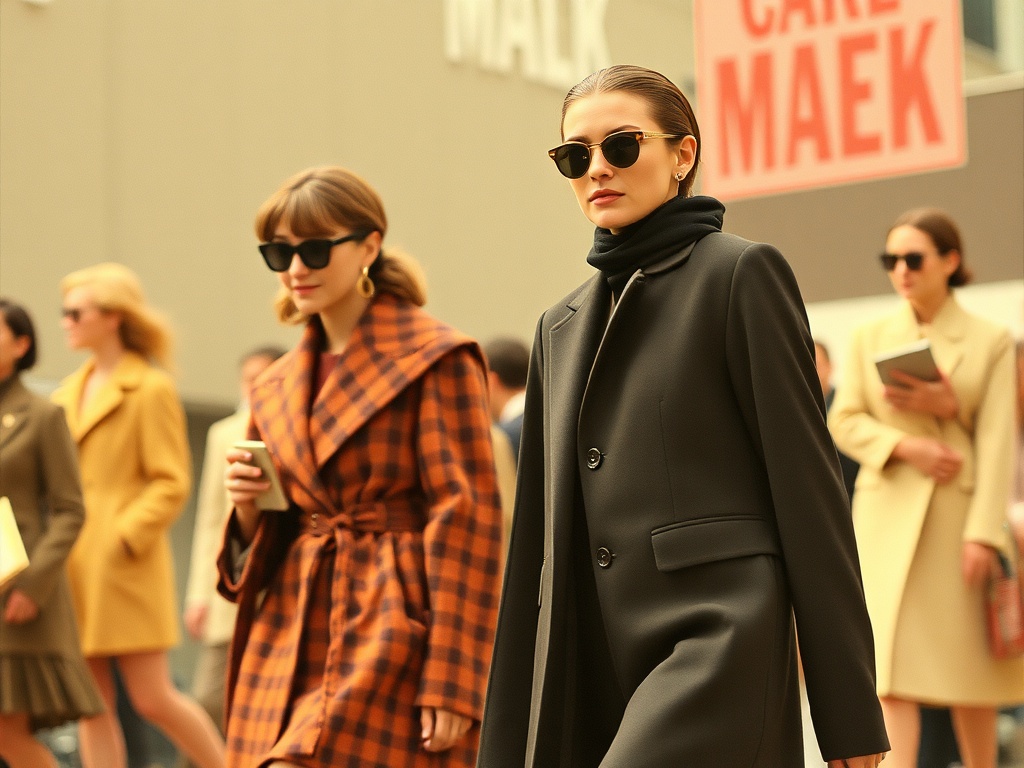
– Photo-first coverage: High-quality images remain central—editorial stills, street style galleries, and detail shots for e-commerce integration.
– Live and hybrid content: Live streams, real-time commentary, and interactive Q&A sessions let audiences feel part of the moment, even if they aren’t on the guest list.
Essential themes to highlight
– Wearable trends: Translate runway concepts into practical takes for everyday wardrobes.
Readers want to know how to adapt bold silhouettes, color palettes, and prints.
– Sustainability and transparency: Cover materials, supply chain claims, and circularity initiatives. Clear, evidence-based reporting helps audiences separate meaningful efforts from marketing.
– Inclusivity and diversity: Note casting choices, size ranges, adaptive design, and representation behind the scenes. These elements reflect a brand’s cultural relevance.
– Technology and retail evolution: Spotlight innovations like AR try-ons, shoppable livestreams, and digital showrooms that connect runways to transactions.
Practical tips for compelling coverage
– Prepare an angle before shows begin: Define the narrative you’ll follow—emerging designers, menswear evolution, or sustainability practices—to stand out.
– Use a mix of content lengths: Pair bite-sized social clips with longer reads. Cross-promote; tease long-form analysis with short-form highlights.
– Optimize for discovery: Use succinct headlines and captions that include keywords like “runway trends,” “street style,” and “sustainable fashion” while keeping language natural.
– Prioritize high-impact visuals: Invest in strong photography and mobile-friendly video. Crop and format specifically for each platform to maintain visual clarity.
– Build context into captions: Quick facts—fabric names, production techniques, or designer intent—add value beyond the image or clip.
– Network backstage: Designer teams, seamstresses, and models offer unique quotes and anecdotes that enrich storytelling.
– Respect access and embargoes: Maintain professional relationships by honoring press rules and crediting photographers and collaborators.
Measuring success
Track both engagement and impact. Pageviews and video completions give immediate feedback; social shares and sentiment analysis reveal cultural resonance. For brands, correlate coverage with traffic to product pages and conversions from shoppable content.
The role of press and creators remains crucial: thoughtful coverage can turn ephemeral runway moments into lasting influence. Focus on clarity, originality, and trustworthiness to ensure your Fashion Week coverage informs, excites, and converts.