Fashion Week Coverage: How to Turn Runway Moments into Shoppable, Sustainable, Multi-Platform Stories
Fashion Week coverage has evolved from print reviews and still photography into a fast-moving, multi-platform spectacle that shapes buying decisions, buzz, and brand reputation. For editors, influencers, and brands, the challenge is turning a transient runway moment into content that resonates across channels while reflecting wider cultural shifts like sustainability, inclusivity, and commerce-first storytelling. Why […]
Fashion Week coverage has evolved from print reviews and still photography into a fast-moving, multi-platform spectacle that shapes buying decisions, buzz, and brand reputation. For editors, influencers, and brands, the challenge is turning a transient runway moment into content that resonates across channels while reflecting wider cultural shifts like sustainability, inclusivity, and commerce-first storytelling.
Why coverage matters
Runway moments set the narrative for upcoming seasons. Coverage that balances aesthetic appreciation with context — who the collection targets, the craftsmanship behind key pieces, and how it connects to broader social trends — earns lasting engagement. Audiences expect more than a lookbook; they want stories, access, and relevance.
Multi-channel distribution wins attention
No single platform owns the conversation. Editorial long-reads and video essays provide depth; short-form vertical clips capture immediate excitement on Reels and short video platforms; livestreams recreate the feeling of being in the front row.
A coordinated cadence—teaser clips before shows, live clips during the runway, and in-depth analysis afterward—keeps audiences engaged across time zones.
Make short-form content work harder
Short videos should do more than show outfits.
Use close-ups to highlight fabric texture, quick edit overlays to name designers and materials, and captions that explain standout details. Fast-paced reels that pair runway clips with behind-the-scenes reactions or stylist breakdowns perform well, especially when optimized with trending audio and concise captions.
Monetize through shoppable storytelling
Shoppable posts, product tags in videos, and curated “shop the look” editorial pages turn interest into sales. Coverage that integrates commerce organically—styling advice, size and fit notes, and price transparency—builds trust and conversion. Partnering with retailers for early pre-orders or limited drops capitalizes on runway momentum.
Sustainability and transparency sell
Audiences increasingly expect coverage to interrogate sustainability claims. Highlighting recycled fabrics, low-impact dyeing, and supply-chain transparency adds depth to runway reporting. When brands stage sustainable initiatives, coverage should document both the creative idea and the practical implications, helping readers judge authenticity.
Diversity and inclusivity broaden relevance
Casting, size range, gender expression, and cultural storytelling matter to modern audiences. Coverage that spotlights inclusive moments—diverse runways, adaptive designs, or culturally respectful collaborations—resonates widely and generates meaningful conversation beyond aesthetics.
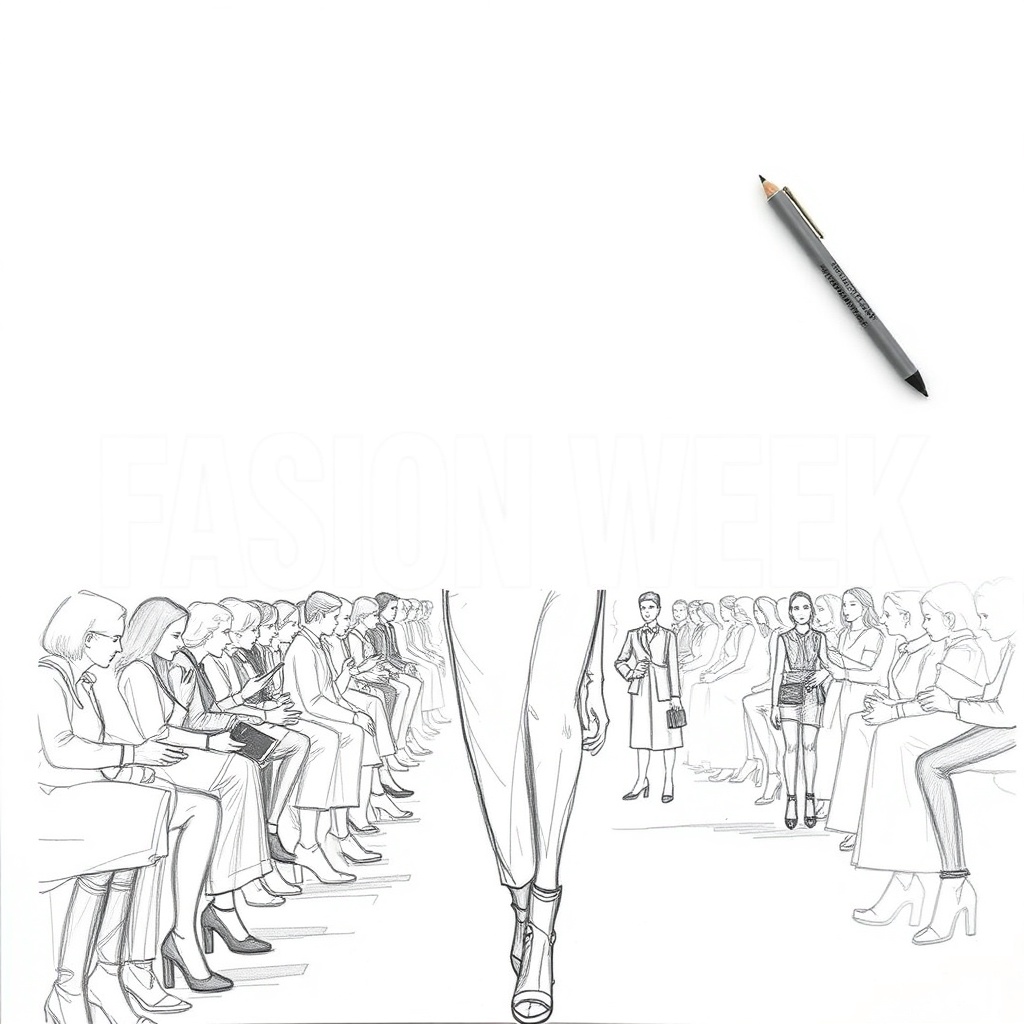
Street style and micro-influencers drive cultural translation
Street-style photography remains a vital lens for how runway looks enter real life. Micro-influencers and tastemakers often show how trends translate to everyday wardrobes. Prioritize candid storytelling: outfit breakdowns, price and brand details, and how looks mix high and low fashion.
Behind the scenes humanizes brands
Designer interviews, atelier visits, and model prep content add narrative richness. Audiences respond to craft-focused stories—pattern making, fabric sourcing, and fit sessions—because they reveal the labor and intent behind garments.
Embrace technology to extend reach
Augmented reality try-ons, virtual showrooms, and interactive lookbooks let audiences engage more deeply with collections.
Livestream chat features and timed releases increase participation and foster community among fashion fans.
Quality over quantity
Fast coverage is important, but accuracy and voice matter more. Fact-check designer credits, collection themes, and collaborator names. A clear editorial point-of-view helps coverage cut through the noise and become a go-to resource for readers, buyers, and industry insiders.
Fashion Week coverage is a blend of spectacle, commerce, and cultural commentary. The best coverage translates runway concepts into actionable inspiration, connects with audiences across formats, and interrogates the values behind the clothes.