Fashion Week Coverage: Guide to Runway Trends, Street Style & Sustainability
Fashion Week coverage has shifted from exclusive, closed-door events to a multi-layered cultural moment that reaches global audiences. Whether you follow runway streams, street style feeds, or post-show interviews, the way shows are presented and consumed continues to evolve — and so should coverage strategies. What to watch for– Runway storytelling: Designers are increasingly crafting […]
Fashion Week coverage has shifted from exclusive, closed-door events to a multi-layered cultural moment that reaches global audiences. Whether you follow runway streams, street style feeds, or post-show interviews, the way shows are presented and consumed continues to evolve — and so should coverage strategies.
What to watch for
– Runway storytelling: Designers are increasingly crafting narratives that extend beyond clothes — set design, casting choices, and music create context that matters to viewers and buyers. Look for recurring themes across shows to identify stronger trends rather than one-off moments.
– Sustainability signals: Materials, production transparency, and take-back programs are frequently highlighted in collections and press materials.
Coverage that explains how a piece was made or what makes a label sustainable cuts through greenwashing and adds authority.
– Representation and fit: Diverse sizing, adaptive fashion, and inclusive casting are becoming baseline expectations. Noting who is on the runway and how garments are styled tells a more complete story than trend reporting alone.
– Commerce-enabled content: Shoppable livestreams and instant-commerce integrations mean readers can buy expressions they see almost immediately.
Mentioning where and how to purchase items adds practical value.
Street style as editorial currency
Street style remains a powerful indicator of what consumers will actually wear. Focus on:
– Wearability: What elements are translating from runway to everyday wardrobes?
– Mix-and-match: How are people combining high fashion with affordable pieces?
– Local flavor: Fashion Week cities each develop their own take — capturing that context makes coverage feel specific and useful.
Digital-first strategies
Live streams, short-form video, and editorialized highlight reels are central to modern coverage. Best practices include:
– Prioritize short clips for social platforms with engaging captions and clear CTAs for full coverage.
– Use high-quality stills for article thumbnails and long-form galleries; images often drive search and social traffic.
– Provide captions and alt text to make content accessible and boost SEO.
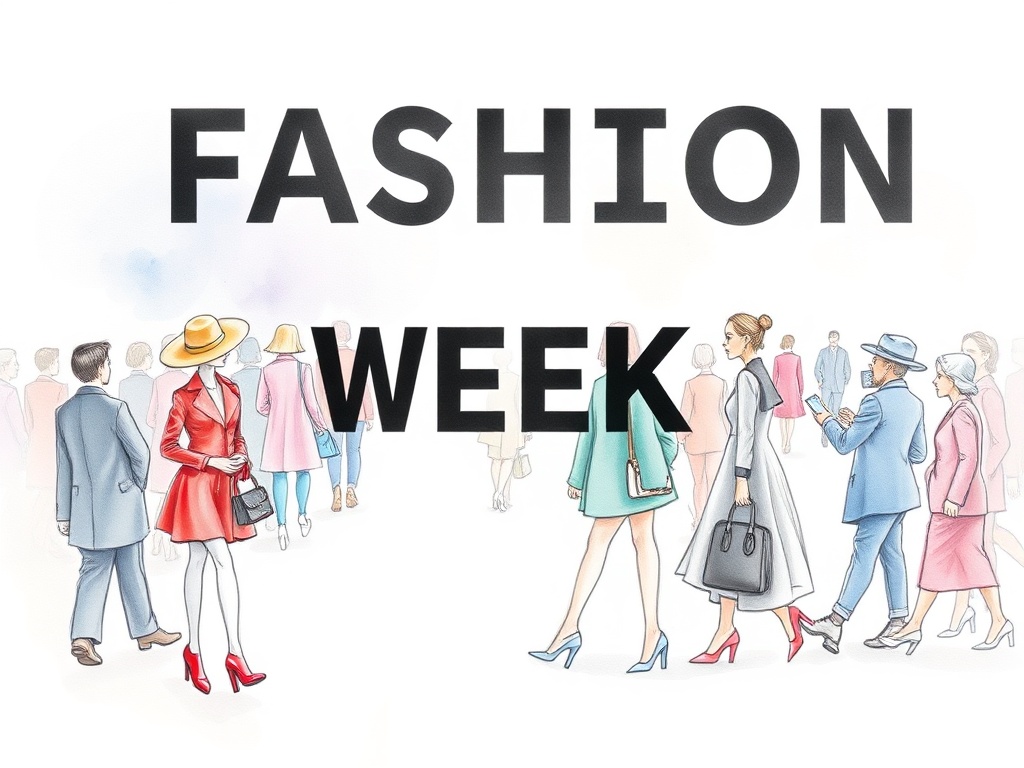
Practical tips for covering Fashion Week
– Plan pitch angles before shows: trend roundups, designer profiles, sustainability features, or street-style spotlights work well.
– Capture context: note fabrics, techniques, and price points; readers want to know how runway ideas fit a real wardrobe.
– Credit properly: tag designers, PR teams, photographers, and models. Accurate credits foster relationships and protect rights.
– Optimize for search: use clear headlines, descriptive meta descriptions, and keywords like “runway trends,” “Fashion Week highlights,” and the designer’s name.
– Stay nimble: follow up on surprise drop announcements and post-show capsule launches to capture timely commerce traffic.
Ethics and access
Press access varies, and transparency matters. If a brand uses paid placements or gifted products, disclose this to maintain trust. Respect model and photographer copyrights and never publish images without permission.
Why thoughtful coverage matters
Fashion Week is no longer just industry insiders watching new collections — it’s a cultural signal that influences retail, entertainment, and lifestyle. Coverage that blends expert analysis, practical shopping advice, accessible storytelling, and strong visual assets connects with readers and performs well across search and social channels. Keep the focus on context and usability, and your Fashion Week coverage will remain relevant and valuable long after the final bow.