Fashion Week Coverage Guide: Runway Trends, Street Style & Backstage Content That Drives Traffic
Fashion Week coverage remains one of the most dynamic storytelling arenas in fashion journalism, blending live runway drama, street style scouting, backstage access and multimedia storytelling. Whether you’re a freelancer, brand editor, or social strategist, thoughtful coverage turns a few hours of shows into content that drives traffic, builds authority and sparks conversations. What to […]
Fashion Week coverage remains one of the most dynamic storytelling arenas in fashion journalism, blending live runway drama, street style scouting, backstage access and multimedia storytelling. Whether you’re a freelancer, brand editor, or social strategist, thoughtful coverage turns a few hours of shows into content that drives traffic, builds authority and sparks conversations.
What to prioritize
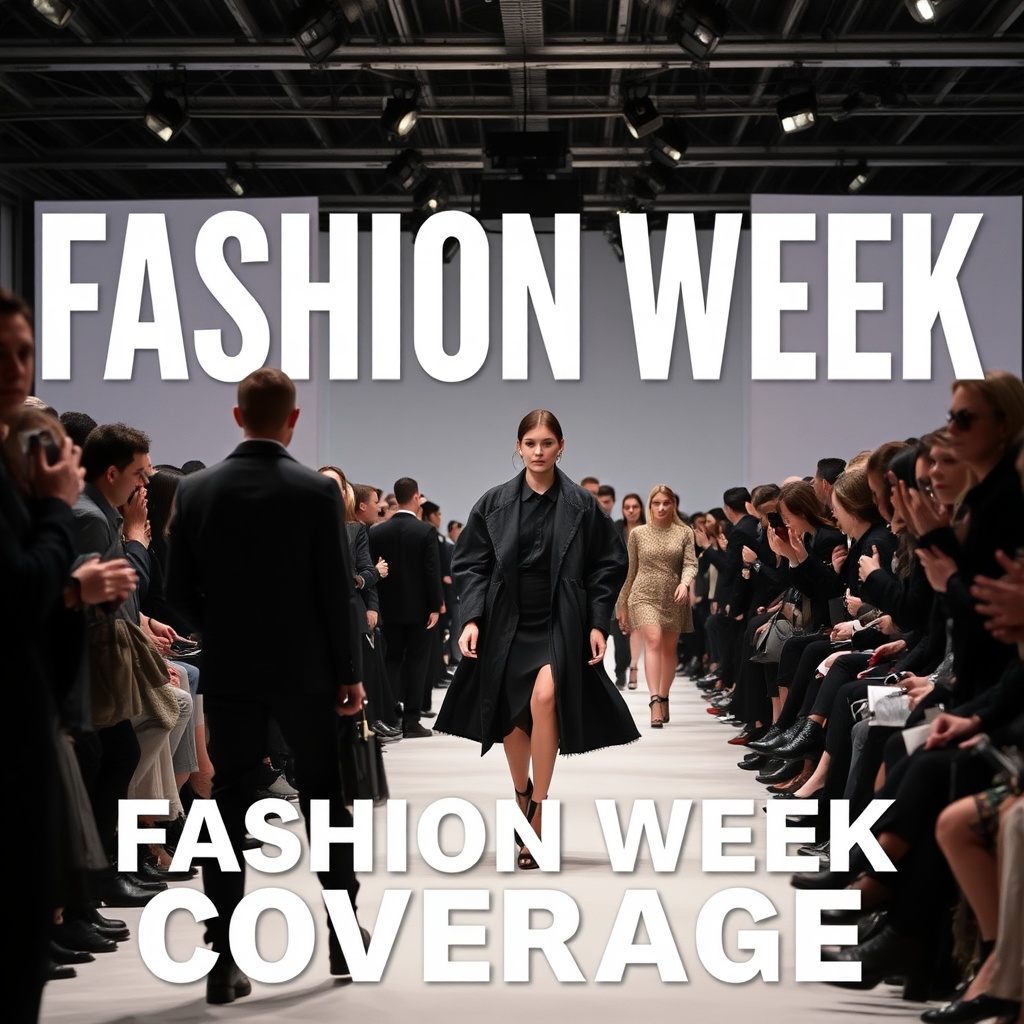
– Runway reporting: Capture the narrative — silhouettes, palettes, fabrications and standout pieces. Quote designers or show notes, but add fresh context: how collections relate to broader trends like tailoring reinvention, craftsmanship revival or sustainability pivots.
– Street style: Street clues often become mainstream trends. Look beyond logos — focus on proportions, unexpected pairings and recurring accessories. Quick interviews with subjects reveal intent and create sharable micro-stories.
– Backstage access: Hair, makeup and styling reveal technique and mood. Backstage content offers authentic, behind-the-scenes angles that audiences crave. Short video clips of quick-change choreography or a stylist’s final touch perform well on social.
Digital-first tactics that work
– Prioritize fast publishing: Publish runway rundowns within hours while attention is peaking.
Combine immediate recaps with in-depth trend pieces published later to sustain coverage.
– Multimedia mix: Use high-resolution images, short vertical videos for social, GIFs of key looks and carousel posts for step-by-step details. Native video captions and subtitles increase watch time across platforms.
– SEO essentials: Optimize headlines with long-tail keywords like “runway trends,” “street style roundup” and “best backstage moments.” Use descriptive alt text for images, include show/talent names in captions, and structure articles with clear H2s to improve search visibility.
– Social amplification: Leverage real-time platforms for snippets (short reels, stories, live Q&As) and then funnel audiences to long-form pieces on your site. Collaborate with photographers and influencers for cross-promotion.
Story angles that stand out
– Trend convergence: Identify where trends meet — for example, the intersection of sustainable materials with maximalist silhouettes — and illustrate with five key looks.
– Human stories: Profile a pit crew, a milliner, or an emerging designer to humanize the spectacle and offer original reporting.
– Data-backed pieces: Combine visual reporting with data — color frequency, recurring fabrics, or retail availability — to make coverage useful for buyers and stylists.
Ethics and access
Respect consent and copyright.
Confirm permissions before publishing backstage portraits or influencer content.
Credit photographers and sources consistently to maintain relationships and secure future access.
Measuring success
Track engagement by platform: time on page for long reads, watch time for videos, shares and saves for social.
Monitor referral traffic and keyword rankings post-event to inform follow-up content. Use analytics to decide which trend pieces deserve deeper investment.
Long-term value
Effective Fashion Week coverage does more than chronicle shows; it seeds evergreen content.
Trend roundups, designer profiles and how-to guides extend the life of event reporting, helping audiences and brands capitalize on the momentum long after the final walk.
A well-rounded approach — fast, visual, human and strategic — turns the intensity of Fashion Week into sustainable editorial value. Keep coverage nimble, prioritize unique perspectives, and use every format available to tell the story behind the looks.