Fashion Week Coverage: A Strategic Playbook for Runway Reporting, Livestreams, Street Style & Social Storytelling
Fashion Week coverage has evolved from a handful of front-row seats and print deadlines into a multi-platform media operation that blends livestreams, street style, and real-time social storytelling. Whether you’re a freelance journalist, brand PR, or content creator, a strategic approach will turn runway moments into lasting audience engagement. Why thoughtful coverage mattersAudiences want more […]
Fashion Week coverage has evolved from a handful of front-row seats and print deadlines into a multi-platform media operation that blends livestreams, street style, and real-time social storytelling.
Whether you’re a freelance journalist, brand PR, or content creator, a strategic approach will turn runway moments into lasting audience engagement.
Why thoughtful coverage matters
Audiences want more than a list of looks — they want context.
Highlighting design inspiration, fabric techniques, and the cultural or sustainability stories behind collections builds authority and keeps readers coming back. Strong coverage also amplifies designer narratives, fuels sales cycles, and helps brands reach new markets quickly.
Plan before the shows
– Build a content calendar: prioritize shows by impact and audience fit. Identify must-cover designers, emerging talent, and high-traffic street style locations.
– Prepare press materials: request digital lookbooks, tech packs, and high-res images in advance. Confirm embargo times and interview windows to avoid conflicts.
– Assemble a compact kit: fast camera, vertical lens for social, portable lighting, extra batteries, and a smartphone with a reliable editor app.
Capture a variety of formats
Versatility is key. Combine long-form analysis (trend roundups, designer profiles) with short-form assets (reels, TikToks, Stories) to reach different audience segments. High-quality photos remain essential for editorial pieces, while vertical video and behind-the-scenes clips drive social engagement. Consider short interviews with designers or stylists to add depth and shareable soundbites.
Spotlight trends with context
Identifying trends is more than cataloguing recurring silhouettes. Explain why a trend matters: the cultural moment it responds to, the sustainable approach to materials, or its commercial potential. Use clear, searchable phrases — like “runway trends,” “sustainable fashion,” and “street style inspiration” — to improve discoverability across search engines and social platforms.
Leverage street style strategically
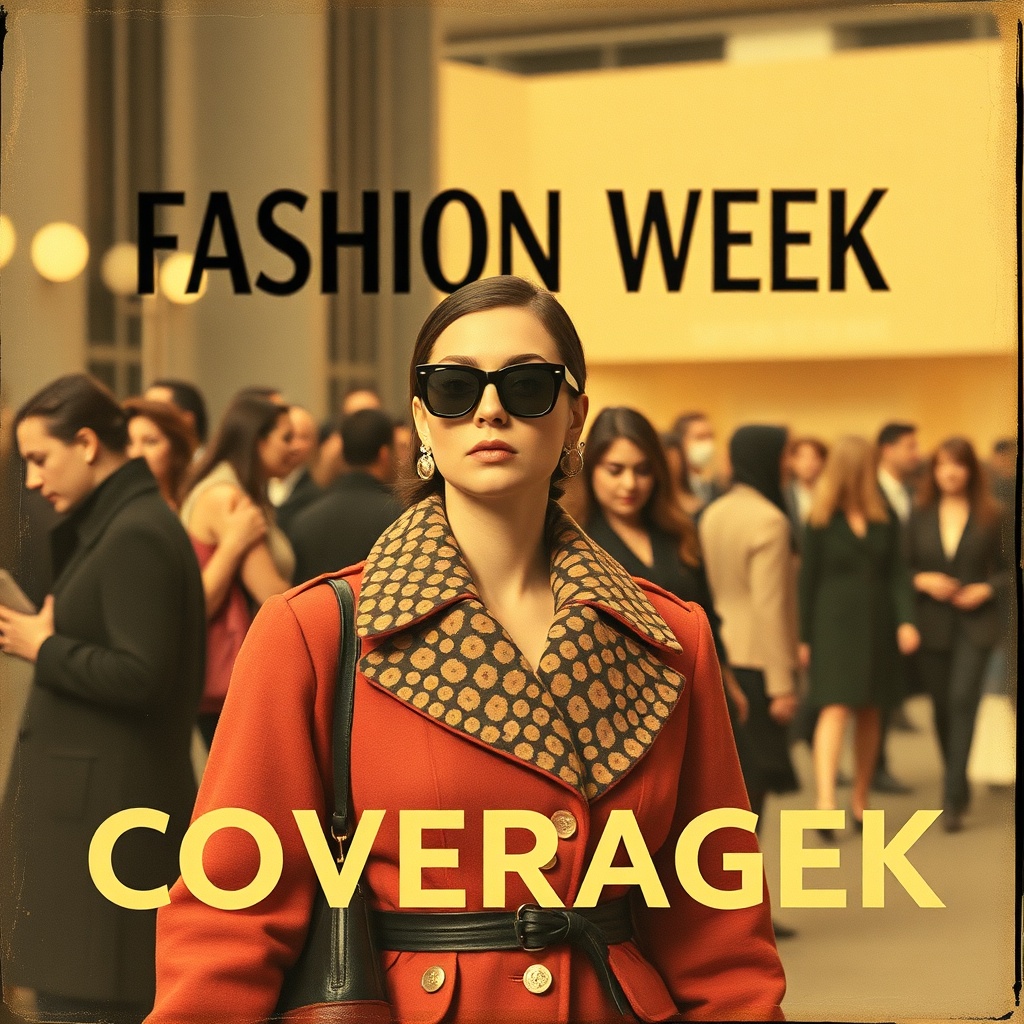
Street style often drives conversation and shows what people are actually wearing.
Position street-style coverage as complementary to runway reporting: pick diverse subjects, show complete outfits, and include captions that explain brands or styling techniques.
Tag designers, stylists, and retailers to increase reach and foster relationships.
Optimize for SEO and social
– Headlines: craft clear, benefit-driven headlines that include target keywords.
– Metadata: write concise meta descriptions and use alt text for images describing looks and fabrics.
– Hashtags and tagging: use event and city tags, plus niche hashtags for trends and sustainability.
– Repurpose: turn a single interview into a profile, quote cards, and a five-tip list to maximize asset utility.
Respect access and ethics
Honor embargoes, give accurate credits, and get consent for photographing individuals off the runway. Transparency about paid partnerships or gifted items maintains credibility. For live coverage, communicate clearly whether content is sponsored.
Monetize and measure
Track metrics beyond impressions — look at engagement, time on page, click-throughs to partner sites, and conversion rates for shoppable content. Experiment with affiliate links, sponsored posts, and exclusive newsletters to create revenue streams.
Stay nimble
Fashion Week environments move fast. Flexibility, speed, and a clear editorial voice set strong coverage apart. By blending rigorous reporting, multimedia storytelling, and smart distribution, Fashion Week coverage can be both immediate and enduring — helping audiences understand not just what appeared on the runway, but why it will matter across wardrobes and marketplaces.