Fashion Design Excellence: Balancing Creativity, Craft & Sustainable Commerce
Fashion design excellence blends creativity with craft, commercial sense with conscience. Whether launching a label or refining a capsule collection, top designers balance concept, construction, and communication to create garments that resonate with buyers, editors, and wearers. Core pillars of fashion design excellence – Idea and research: Great collections start with disciplined research. Observe cultural […]
Fashion design excellence blends creativity with craft, commercial sense with conscience. Whether launching a label or refining a capsule collection, top designers balance concept, construction, and communication to create garments that resonate with buyers, editors, and wearers.
Core pillars of fashion design excellence
– Idea and research: Great collections start with disciplined research. Observe cultural shifts, street style, and material innovations. Use mood boards, trend maps, and curated references to translate inspiration into a clear design language that guides silhouette, color, and detail decisions.
– Material selection and sustainability: Fabric choice defines quality and longevity. Prioritize performance, hand feel, and provenance. Sustainable materials and transparent supply chains elevate a brand’s credibility—look for traceable fibers, low-impact dyeing, and durable constructions that reduce waste.
Small-volume producers can emphasize repairability and modular design to extend garment life.
– Craftsmanship and technique: Precision in patternmaking, seam finishing, and handwork distinguishes premium pieces.
Invest in good patterns and fit blocks, refine grading for multiple sizes, and maintain strict quality checks during sampling. Innovative techniques—bias cuts, engineered knit panels, hand-stitched finishes—create signature touches that justify price and loyalty.
– Fit and tailoring: Fit is non-negotiable. A well-fitted garment flatters movement and communicates value immediately.
Develop strong size systems, test on diverse body types, and use fit sessions to iterate. Consider adjustable elements—drawcords, elasticized panels, and modular closures—to improve inclusivity without diluting design intent.
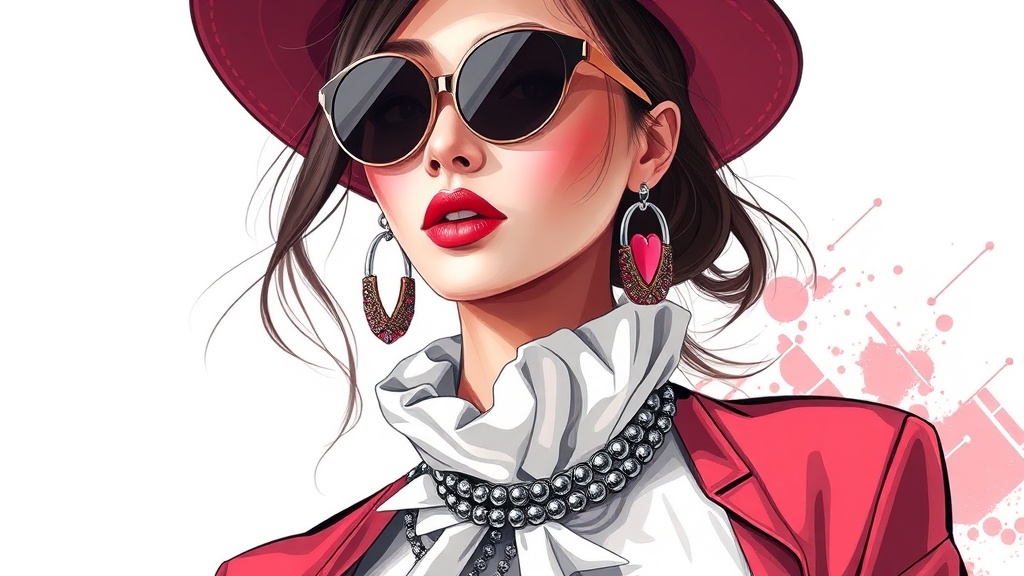
– Storytelling and brand identity: Every collection should tell a cohesive story. From lookbooks to hangtags, consistent visual direction and copy strengthen brand recall. Highlight the narrative behind materials, artisans, and production choices to build emotional connections with customers.
Integrating technology and commerce
Digital tools accelerate both design and selling. 3D design software speeds sampling and lowers waste by allowing virtual prototyping.
Digital showrooms and AR try-ons enhance wholesale and DTC reach while reducing travel and sample shipping.
Combine data-driven insights—sales analytics, SKU performance, social engagement—to refine assortment planning and minimize markdowns.
Presentation and retail strategy
How a garment is presented matters as much as how it’s made. Curate photography, styling, and in-store merchandising to reflect intended use cases and price positioning.
For emerging labels, consider capsule drops, targeted collaborations, or trunk shows to create scarcity and test demand.
For established brands, omnichannel cohesion—consistent inventory, unified messaging, and flexible fulfillment—keeps customers loyal.
Collaboration and continuous learning
Excellence thrives through collaboration. Work with skilled patternmakers, ethical mills, and experienced production managers. Engage in cross-disciplinary projects with technologists, material scientists, and cultural producers to unlock fresh directions. Stay curious: workshops, trade shows, and peer critiques sharpen skills and reveal new opportunities.
Actionable habits for designers focused on excellence
– Keep a rotating fabric library with provenance notes and wash/fade tests.
– Schedule regular fit sessions with diverse models.
– Document one unique construction technique per collection and promote it in marketing.
– Use sales and engagement metrics to guide future designs, not just instincts.
– Build a small emergency kit of reliable suppliers for sudden orders or replacements.
Fashion design excellence is the result of consistent rigour across concept, craft, and commerce.
By combining thoughtful materials, meticulous construction, compelling storytelling, and strategic use of technology, designers create work that lasts—both in wardrobe and in memory.