Fashion Design Excellence: A Practical Guide to Craftsmanship, Materials & Sustainable Production
Fashion design excellence combines creativity, craft, and commercial sense to create garments that resonate with consumers and stand the test of time. Whether launching a capsule collection or refining a signature line, designers who aim for excellence focus on storytelling, material intelligence, and intentional production. Core pillars of fashion design excellence– Concept and storytelling: A […]
Fashion design excellence combines creativity, craft, and commercial sense to create garments that resonate with consumers and stand the test of time.
Whether launching a capsule collection or refining a signature line, designers who aim for excellence focus on storytelling, material intelligence, and intentional production.
Core pillars of fashion design excellence
– Concept and storytelling: A strong concept unifies silhouettes, color, and fabric choices. Storytelling gives garments emotional currency—customers buy narratives as much as clothes. Define the mood, influences, and lifestyle your collection serves before sketching.
– Craftsmanship and fit: Precision in patternmaking and tailoring elevates concept to product.
Fit testing across diverse body types reveals where adjustments are needed for real-world wearability. Details like seam finish, lining choices, and construction methods are what separate thoughtful pieces from throwaway fashion.
– Material and textile innovation: Choosing the right fabric is as important as the sketch. Prioritize materials that balance aesthetics, durability, and sustainability. Explore recycled fibers, certified natural textiles, and performance blends that reduce laundering impact while maintaining hand and drape.
– Production feasibility: Design with manufacturing in mind. Clear tech packs, graded patterns, and realistic trim choices minimize costly revisions. Small-batch sampling and agile production models help refine collection quality without overcommitting inventory.
Principles for sustainable excellence
Sustainability is integral to long-term brand credibility, not a marketing add-on. Start by mapping supply chain transparency and setting measurable goals: reduce fabric waste through zero-waste pattern techniques, choose suppliers with traceable certifications, and design modular pieces that encourage longer use. Consider repairability and end-of-life recycling when specifying components like zippers and buttons.
Technology and innovation
Digital tools accelerate creativity and reduce waste. 3D prototyping and virtual sampling cut physical samples and speed approvals.
Digital pattern making and marker optimization improve efficiency at production scale. Keep an eye on textile tech—bio-based materials, performance finishes that extend garment life, and dyeing methods that cut water use are increasingly accessible to independent labels.
Designing for diverse markets
Excellence requires inclusivity. Offer inclusive sizing ranges and test fit across different body shapes. Consider gender-neutral silhouettes and adaptable designs that work across age groups and lifestyles.
Market research and direct feedback loops with target customers refine design decisions and reduce returns.
Branding, presentation, and go-to-market
A cohesive visual identity amplifies product quality. Develop a concise brand story, a professional lookbook or digital showroom, and consistent product photography that highlights construction details. For launch strategies, leverage targeted collaborations with boutiques, stylists, or complementary lifestyle brands to extend reach without diluting the aesthetic.
Building a practice of continuous improvement
Feedback cycles are essential. Use wear trials, retail sell-through metrics, and customer reviews to inform iterative tweaks. Keep a living library of patterns, fabric swatches, and production notes so successful techniques are repeatable. Seek mentorship and peer critique through industry workshops and communities to maintain fresh perspectives.
Actionable checklist for emerging designers
– Define a clear concept and target customer before sourcing fabrics.
– Invest in fit testing across multiple body types.
– Use tech packs and graded patterns for cleaner production handoffs.
– Prioritize materials that balance quality with sustainable credentials.
– Pilot 3D prototyping to reduce physical sample costs.
– Create a concise lookbook and digital showroom for buyers and press.
– Track returns and customer feedback to refine future collections.
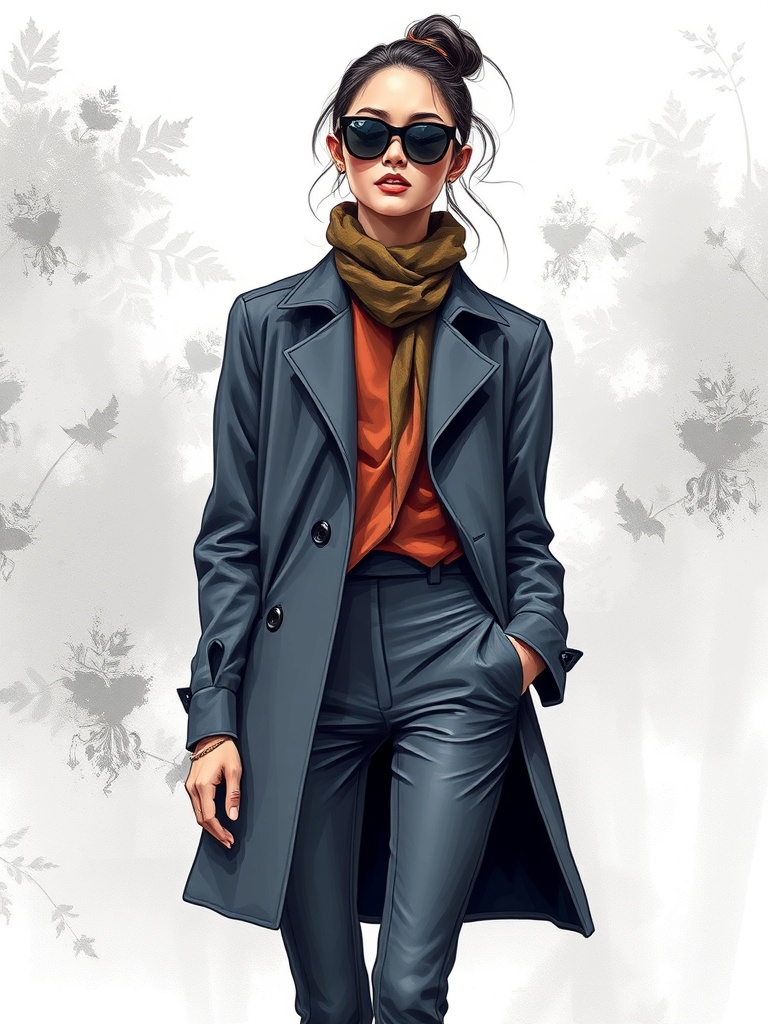
Delivering fashion design excellence means balancing artistry with systems thinking. When concept, craft, materials, and production align, clothes become not just garments but intentional objects—valued by customers and built to last.