Exploring the Pinnacle of Elegance: The Evolution and Impact of Luxury Fashion Brands
Diving into the Opulence of Luxury Fashion Brands Luxury fashion brands have forever been the epitome of style, elegance, and refined taste. These brands, synonymous with high fashion, continue to define and reshape the fashion landscape, offering a unique blend of traditional craftsmanship and contemporary design aesthetics. At the heart of these luxury fashion brands […]
Diving into the Opulence of Luxury Fashion Brands
Luxury fashion brands have forever been the epitome of style, elegance, and refined taste. These brands, synonymous with high fashion, continue to define and reshape the fashion landscape, offering a unique blend of traditional craftsmanship and contemporary design aesthetics.
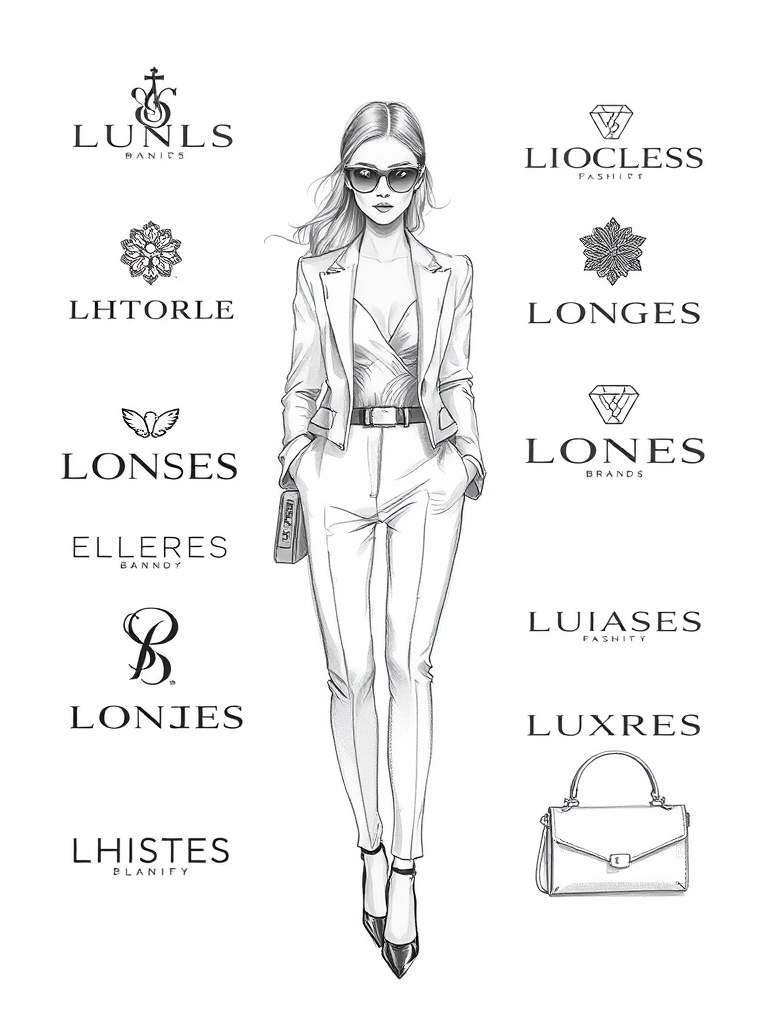
At the heart of these luxury fashion brands is meticulous attention to detail.
Each garment, accessory, or piece of jewelry is a masterclass in craftsmanship, boasting unparalleled quality and exclusive designs.
From the finest fabrics to the most intricate embellishments, every single element is thoughtfully chosen and meticulously put together to create a piece that’s not just wearable but also a piece of art.
Luxury fashion brands like Chanel, Gucci, and Louis Vuitton, among others, have consistently been at the forefront, setting the bar high with their innovative designs and timeless classics.
Their iconic pieces, such as the Chanel No. 5 perfume, the Gucci Double G belt, or the Louis Vuitton Neverfull bag, have become more than just fashion items. They are symbols of status and sophistication, coveted belongings that are passed down generations, and the embodiment of the brand’s rich heritage and enduring allure.
These brands also have a knack for storytelling, cleverly weaving narratives around their collections, campaigns, and even individual pieces. This story-telling approach captivates the audience, immersing them in a world of glamour and luxury that extends beyond the physical product. By creating a narrative, these fashion houses foster a deeper connection with their customers, transforming the shopping experience into a journey of self-expression and discovery.
However, luxury fashion brands today face the imperative need to redefine luxury in the context of sustainability and social responsibility. Many brands are taking significant steps towards becoming more sustainable and eco-friendly. For instance, Stella McCartney has been a pioneer in creating luxury fashion with a conscience, utilizing recycled textiles and advocating for animal rights.
These brands prove that luxury doesn’t have to come at the cost of the environment, setting a precedent for the entire fashion industry.
Furthermore, in the era of digitalization, luxury fashion brands are keeping pace with changing consumer behavior by branching out into e-commerce and social media.
Today, it’s not uncommon to see high fashion brands partnering up with social media influencers or launching interactive online campaigns to engage with a wider audience and stay relevant in an increasingly digital world.
Maintaining a balance between exclusivity and accessibility is another challenge that these brands navigate masterfully.
While they remain a symbol of exclusivity and opulence, many luxury fashion brands have introduced entry-level products like perfumes, cosmetics, or small leather goods to appeal to a broader audience and allow more people to experience the brand’s magic.
Luxury fashion brands are not just about clothing or accessories. They represent a lifestyle, an ethos, an aspiration. They continue to evolve while staying true to their rich heritage, crafting timeless pieces that resonate with people across generations.
As these brands navigate the changing fashion landscape, they continue to redefine what luxury means, shaping the future of fashion in the process.