Exploring the New Era of Luxury Fashion: Trends Shaping Sustainability, Inclusivity, and Innovation
The landscape of high-end fashion is consistently evolving, with designers and brands regularly pushing the envelope and setting new trends. Currently, the world of luxury fashion is seeing some significant shifts, shaped by influences from pop culture, social causes, and the need for sustainability. This article seeks to delve into the trends shaping the luxury […]
The landscape of high-end fashion is consistently evolving, with designers and brands regularly pushing the envelope and setting new trends.
Currently, the world of luxury fashion is seeing some significant shifts, shaped by influences from pop culture, social causes, and the need for sustainability. This article seeks to delve into the trends shaping the luxury fashion industry.
One cannot talk about high-end fashion without mentioning the critical role of sustainability. Recently, luxury brands have become conscious of the environmental impact of their production methods and are actively exploring eco-friendly alternatives. This shift in focus has led to the rise of sustainable fabrics, ethical manufacturing, and an overall decrease in wasteful practices. Brands are now championing recycled materials and encouraging consumers to invest in long-lasting pieces.
Aside from sustainability, inclusivity is another driving force influencing the top fashion houses.
The industry has recently become more accepting of diverse body types, skin colors, and genders. Brands are now showcasing diversity in their advertising campaigns, runway shows, and clothing designs, making high-end fashion a space for everyone.
This inclusive representation not only benefits the consumers but also helps the brands connect with a wider audience.
Furthermore, the fashion-savvy generation of today is favoring unique, statement pieces over mass-produced, monotonous designs. They crave individuality, and luxury brands are responding by creating exclusive, limited-edition items. Customization is currently a popular trend, with luxury brands offering personalized services to cater to individual preferences and tastes.
While keeping an eye on the future, high-end fashion is also looking at the past for inspiration. Vintage fashion has recently had a significant impact on the industry, with everything from dramatic silhouettes to retro prints making a comeback. This nod to the past allows fashion lovers to express their style in fresh and eclectic ways.
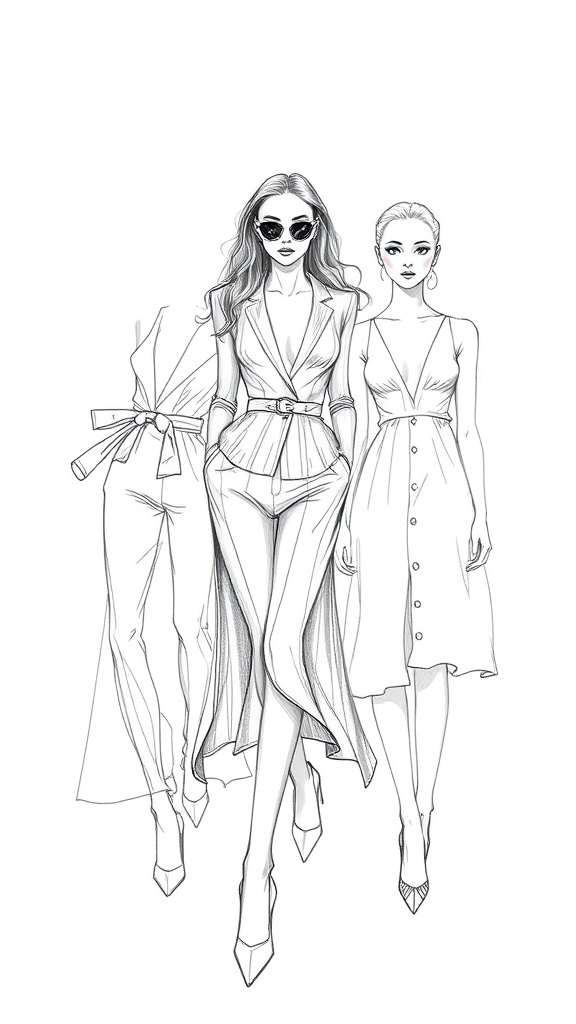
Technology, too, plays a substantial role in shaping high-end fashion trends. Brands are leveraging digital platforms to reach a global audience and showcase their collections. Virtual reality (VR) is being employed for virtual runway shows, while augmented reality (AR) is introducing new ways to try on clothes, making luxury fashion more accessible.
Lastly, collaborations are creating a buzz within the high-end fashion industry. Luxury brands are partnering with streetwear labels, artists, and celebrities, resulting in unique, high-demand creations that cater to a broad audience.
These collaborations not only bridge the gap between luxury and streetwear but also allow for innovative design perspectives.
In essence, the current high-end fashion scene is an amalgamation of sustainability, inclusivity, individuality, and innovation.
Through the adoption of eco-friendly practices, embracing diversity, creating distinct pieces, revisiting the past, and leveraging technology, luxury fashion is becoming more accessible and appealing to a wider audience. These trends signal an exciting and progressive time for the industry, promising a future where high-end fashion isn’t just about extravagance, but also about responsibility, inclusivity, and authenticity.