Embracing Inclusivity and Sustainability: The Future of High-End Fashion
Fashion is a dynamic industry, continually evolving and shifting according to societal changes, technological advancements, and, most importantly, the creative inspiration of designers. High-end fashion, in particular, has the power to influence, dictate, and set the standards of style globally. Today, some fascinating trends are gaining traction in high-end fashion, namely, embracing diversity and promoting […]
Fashion is a dynamic industry, continually evolving and shifting according to societal changes, technological advancements, and, most importantly, the creative inspiration of designers.
High-end fashion, in particular, has the power to influence, dictate, and set the standards of style globally. Today, some fascinating trends are gaining traction in high-end fashion, namely, embracing diversity and promoting environmentally conscious design.
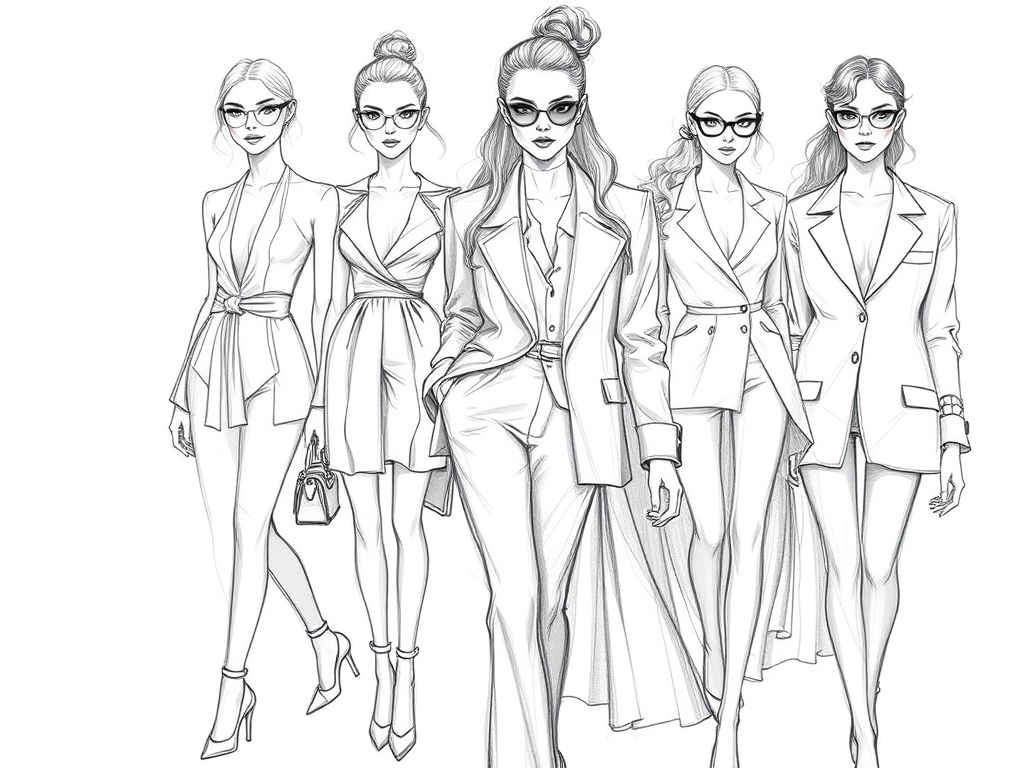
In a world increasingly aware of the richness and beauty of diversity, high-end fashion brands are leading the way by incorporating diverse models and designs in their collections. Brands are now more conscious of the need to represent a broad spectrum of identities, backgrounds, and body types on their runways and in their campaigns. This trend is not only socially progressive, but it also provides a much-needed broadening of the concept of beauty and style.
Designers are now creating pieces that celebrate differences, moving away from the cookie-cutter model of fashion. There’s a growing appreciation for unique attributes and individuality. This shift is apparent in the use of models of different sizes, ages, ethnicities, and genders in fashion shows and advertisements. The result is a more inclusive, authentic, and relatable fashion industry that encourages self-expression and acceptance.
Alongside this embrace of diversity, high-end fashion brands are also increasingly adopting sustainable practices in response to the growing awareness about environmental issues. Brands are exploring more environmentally friendly materials and manufacturing processes, as the fashion industry is often criticized for its substantial carbon footprint.
The trend towards sustainability is not just about using organic or recycled materials.
It also includes innovative approaches such as ‘slow fashion’, which encourages consumers to buy less and choose well, and ethical production methods that ensure fair wages and good working conditions for workers.
Some high-end fashion brands are even going a step further by incorporating sustainability into their business models. They’re adopting a circular economy approach, which involves designing products to be used for as long as possible, then recovered, and regenerated at the end of each service life. This approach reduces waste, resource consumption, and environmental impact, while also offering new design challenges and opportunities for creativity.
Moreover, many designers are pushing for transparency, revealing the supply chain of their products to consumers. This move not only builds trust with consumers but also encourages other brands to follow suit and adopt responsible practices.
Through embracing diversity and pushing for sustainable practices, high-end fashion is showing its ability to adapt and respond to the current societal and environmental demands. These trends represent a significant shift in the industry, and it’s exciting to see where this journey will lead.
From a consumer’s standpoint, these changes are not just about fashion trends. They’re about influencing fundamental societal shifts towards inclusivity and sustainability. As the world continues to evolve, high-end fashion is proving that it’s more than just about the clothes we wear. It’s about the values we stand for, and the choices we make, that truly define our style.