Decoding the Future of Luxury Fashion: Trends, Sustainability and Digitalization
The world of luxury fashion is an ever-evolving arena, with trends and styles shifting from season to season. Today, some of the most esteemed brands in the industry consistently set the pace, defining the state of style globally. These brands, including Chanel, Louis Vuitton, Gucci, and Prada, have become synonymous with opulence and prestige, winning […]
The world of luxury fashion is an ever-evolving arena, with trends and styles shifting from season to season. Today, some of the most esteemed brands in the industry consistently set the pace, defining the state of style globally.
These brands, including Chanel, Louis Vuitton, Gucci, and Prada, have become synonymous with opulence and prestige, winning hearts with their unique, timeless pieces.
In the current global fashion environment, sustainability is increasingly becoming a fashionable statement. Luxury brands are aligning with this trend, embracing eco-friendly materials, and pioneering innovative production methods. Take, for instance, Stella McCartney, a brand that has centered its ethos around ethical and sustainable fashion. Similarly, Gucci has pledged to become carbon neutral in its operations and supply chain, demonstrating a commitment to environmental responsibility that has been well-received by consumers.
The rise of digital technology has also had a profound impact on luxury brands.
Online retail is no longer an option; it is a necessity for any brand wishing to stay relevant in today’s fast-paced consumer landscape.
High-end fashion brands have adapted to this new paradigm, leveraging digital platforms for sales, marketing, and customer engagement. The ability to shop the latest collections from the comfort of home has not only expanded the market reach of these brands but also transformed the overall luxury shopping experience.
Another notable trend is the rise of streetwear within luxury fashion. Brands like Off-White and Vetements have blurred the lines between high fashion and street style, attracting a younger demographic. This has led to an interesting fusion of styles, with luxury brands incorporating streetwear-inspired elements into their collections.
However, the future of luxury fashion isn’t just about adhering to the latest trends. It’s about merging tradition with innovation. Heritage brands like Chanel and Dior have been successful in this balancing act, maintaining their legacy while introducing fresh ideas to captivate new audiences.
Today, personalization is emerging as a key trend, offering customers a unique and individualized experience. Many luxury brands are now offering personalized services, from monogramming to bespoke fittings.
This allows customers to have a say in the creation process, resulting in pieces that are truly one-of-a-kind.
Moreover, luxury fashion brands are recognizing the power of storytelling to connect with consumers on a deeper level. It’s no longer enough to just sell products; brands need to sell experiences and emotions. This is achieved through compelling brand narratives and immersive marketing strategies.
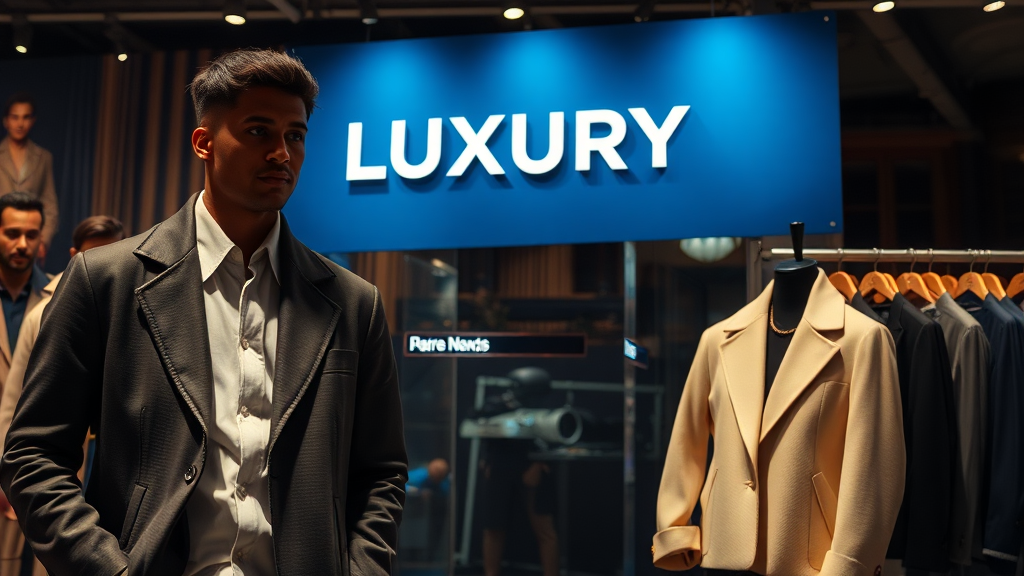
As we look towards the horizon, luxury fashion brands face an exciting yet challenging future, filled with both opportunities and obstacles.
Brands will need to remain agile, continually adapting to changing consumer preferences and societal trends. Despite these challenges, the allure of luxury fashion remains strong, promising an enduring future for these prestigious brands.
In essence, the world of luxury fashion is a dynamic and fascinating space, shaped by a blend of tradition, innovation, and the ever-changing tastes of the global consumer. Navigating this landscape requires a keen understanding of not just the latest trends, but also the timeless principles that define luxury. With sustainability, digitalization, personalization, and storytelling at the helm, luxury fashion brands are set to continue their journey of evolution and growth.