Decoding the Allure: The Power and Prestige of Luxury Fashion Brands
Luxury fashion brands have consistently been synonymous with quality, prestige, and exclusivity. Known for their exceptional craftsmanship and attention to detail, they are not just about the clothes. They offer an experience, a lifestyle, and a story that radiates an aura of grandeur and opulence. These brands are not merely about fashion; they sell dreams […]
Luxury fashion brands have consistently been synonymous with quality, prestige, and exclusivity.
Known for their exceptional craftsmanship and attention to detail, they are not just about the clothes. They offer an experience, a lifestyle, and a story that radiates an aura of grandeur and opulence.
These brands are not merely about fashion; they sell dreams and aspirations. Through their designs, they reflect the zeitgeist of the times, while also setting trends for the future. They are cultural signifiers that stand for a certain level of sophistication and stature.
Their signature pieces are often seen as investment items and status symbols, appreciated for their enduring value and timeless aesthetics.
One of the defining characteristics of luxury fashion brands is their commitment to quality. Every stitch, every fabric choice, and every embellishment is meticulously thought through and executed. For example, brands such as Chanel and Louis Vuitton are revered for their uncompromising attention to detail and exquisite craftsmanship, that is reflected in their iconic designs. These high standards result in durable, long-lasting pieces that can often be handed down through generations.
The exclusivity factor is another key aspect of luxury fashion brands. Limited edition collections, bespoke services, and hard-to-get items are some of the strategies employed by these brands to maintain an air of rarity and exclusivity.
This not only generates hype and anticipation but also elevates the perceived value of the products.
In the realm of luxury fashion, branding is a crucial element. A powerful brand narrative can evoke emotions, cultivate loyalty, and ultimately drive sales.
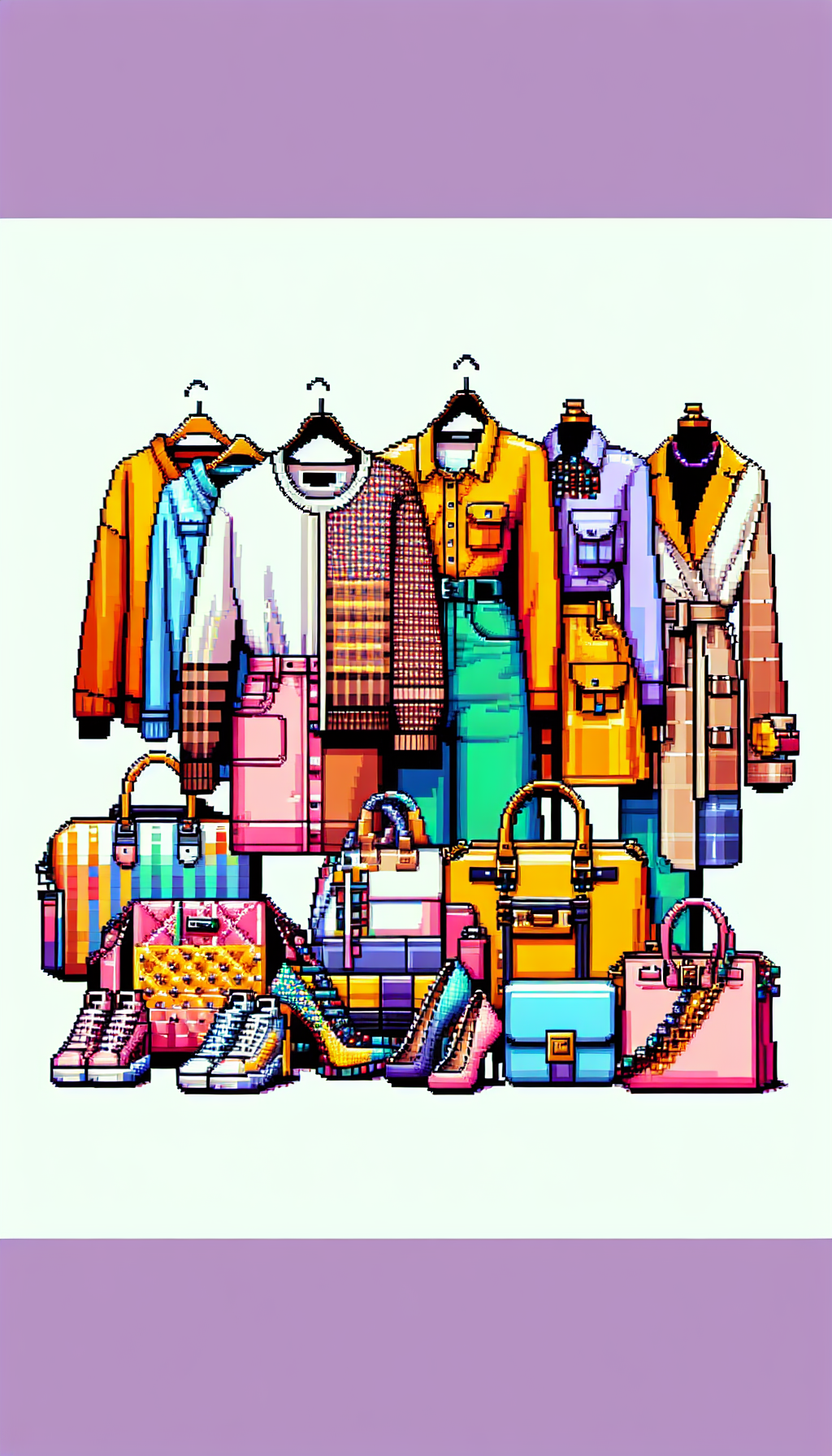
Luxury fashion brands, therefore, invest heavily in their brand storytelling, weaving compelling narratives around their collections, designer collaborations, and fashion shows.
Sustainability has also become a focal point in luxury fashion recently. Brands like Stella McCartney and Gucci have been pioneering this movement, making strides towards creating environmentally friendly and ethically produced collections. This commitment to sustainability is not just about environmental responsibility, but also about addressing the changing attitudes of consumers, who are increasingly aware of the impact of their purchasing decisions.
The digital revolution has transformed the luxury fashion landscape. Today, brands are leveraging digital platforms to connect with a global audience, offering virtual shopping experiences, and harnessing social media for marketing and engagement. This shift towards digital has allowed for a more interactive and personalized shopping experience, appealing to tech-savvy consumers seeking convenience and immediacy.
Despite the increasing accessibility brought about by digital innovation, luxury fashion brands have managed to retain their allure and prestige. They continue to captivate consumers with their allure of opulence, quality, and exclusivity, setting them apart in the crowded fashion landscape.
Ultimately, the allure of luxury fashion brands lies in their ability to offer more than just clothing. They provide a unique blend of quality, exclusivity, and storytelling, wrapped in a veil of allure and prestige. This potent mix continues to charm consumers, ensuring the enduring appeal of luxury fashion brands in an ever-changing fashion landscape.
As we look ahead, it is clear that these brands will continue to evolve and adapt, shaping and being shaped by the cultural, technological, and environmental forces that define our times.