Decoding Fashion Week: The Impact, Trends, and Future of Global Style Coverage
Fashion Week is a global event that transcends the boundaries of culture, time, and geography. It’s a platform that allows designers, stylists, and fashion enthusiasts to converge in a celebration of style, design, and creativity. This article aims to delve into the heart of Fashion Week coverage, analyzing its significance, impact, and the evolving trends […]
Fashion Week is a global event that transcends the boundaries of culture, time, and geography. It’s a platform that allows designers, stylists, and fashion enthusiasts to converge in a celebration of style, design, and creativity. This article aims to delve into the heart of Fashion Week coverage, analyzing its significance, impact, and the evolving trends shaping its future.
The pervasive allure of Fashion Week lies not only in the breathtaking showcase of couture gowns and statement pieces but also in the behind-the-scenes narratives that unravel through extensive coverage.
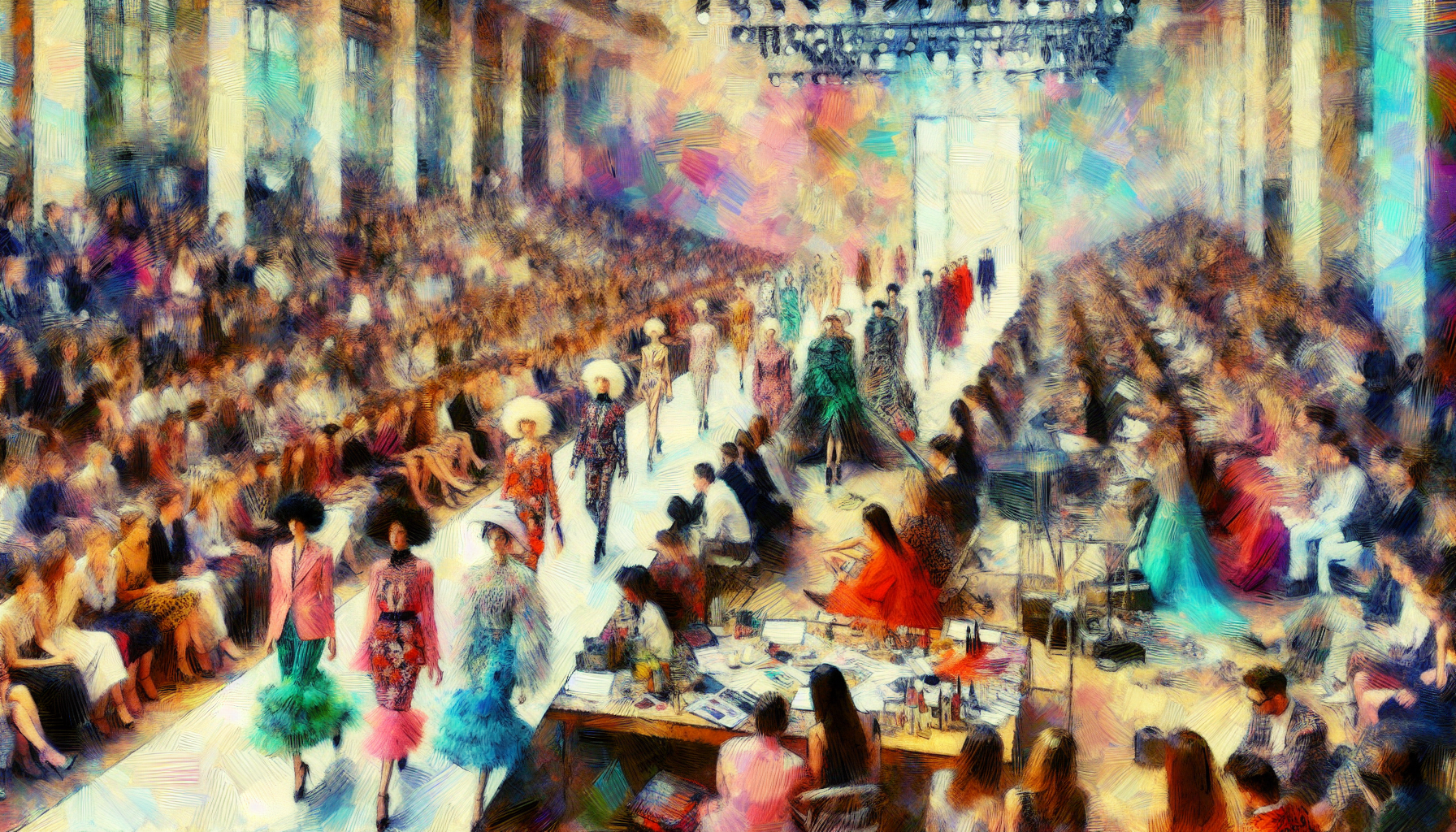
Fashion Week coverage serves as a critical channel of communication between the designers and their audience. It’s a voyeuristic journey into the creative minds of designers, offering a glimpse into their inspirations, motivations, and artistic vision.
A major aspect of Fashion Week coverage is the documentation of the runway looks. This includes detailed photographs and descriptions of each ensemble, making it accessible to a global audience.
The extensive imagery and narratives provide fashion aficionados with a virtual front-row seat to these exclusive events. This inclusive approach has made high fashion more accessible, fostering a wider appreciation for the art form.
Fashion Week coverage also serves as a trendsetter for the season to come.
It introduces new color palettes, fabrics, silhouettes, and design elements that will dominate the fashion landscape in the months to follow.
Fashion bloggers, journalists, and influencers analyze these trends, providing their unique perspective and predictions.
This analysis forms the basis of fashion editorial content, shaping the shopping habits and style choices of consumers worldwide.
Another fascinating aspect of Fashion Week coverage is the spotlight on street style. Photographers capture the eclectic and individual styles of attendees outside the shows, amplifying the voice of everyday fashion.
This aspect of coverage often inspires as much, if not more, style innovation as the runway shows themselves.
In recent times, digital platforms have revolutionized Fashion Week coverage. Social media channels, with their real-time updates and interactive features, have become primary sources of information for many. Live streams of runway shows, behind-the-scenes snippets on Instagram stories, and direct engagement with designers through Q&A sessions on platforms like Twitter have made Fashion Week an immersive, interactive experience.
Moreover, the move towards digital coverage has also led to a more sustainable approach to Fashion Week. With the decrease in physical attendance, the carbon footprint associated with these events has significantly reduced. This aligns with the industry’s growing emphasis on sustainability, reflecting a conscious shift towards environmentally-friendly practices.
In essence, Fashion Week coverage is a vibrant blend of art, journalism, and digital technology. It’s an avenue that connects the glamour of the runway with the pulse of the streets, bringing high fashion to the fingertips of a global audience. With its evolving trends towards digital, interactive, and sustainable practices, Fashion Week coverage continues to redefine the fashion narrative, celebrating the diversity and dynamism of this fascinating world.