Couture vs Haute Couture: Craftsmanship, Atelier & Value
Couture vs. Haute Couture: What Sets Them Apart Couture describes the highest level of fashion design: made-to-measure garments created with exceptional skill and the finest materials. Haute couture is a legally protected term tied to strict standards and a select group of ateliers based in Paris. Both celebrate craftsmanship, exclusivity, and a commitment to detail […]
Couture vs. Haute Couture: What Sets Them Apart
Couture describes the highest level of fashion design: made-to-measure garments created with exceptional skill and the finest materials. Haute couture is a legally protected term tied to strict standards and a select group of ateliers based in Paris.
Both celebrate craftsmanship, exclusivity, and a commitment to detail that mass production can’t match.
Craftsmanship and Techniques That Define Couture
Couture pieces are synonymous with handwork. Techniques include hand-basting and hemming, hand-stitched boning, couture draping, and intricate needlework such as whitework, tambour, and tambour beading. Pattern-making and multiple toile fittings (muslin prototypes) ensure a flawless fit. Embroidery and finishing are often executed by specialist artisans—milliners, lacemakers, and embroiderers—who collaborate in small ateliers to realize a designer’s vision.
The Atelier Experience
An atelier functions as both workshop and school. Clients can expect personalized consultations, fabric selection, fitting sessions, and final alterations. The journey from sketch to finished garment can take weeks to months, depending on complexity.
This hands-on process yields garments that are custom-tailored not just to measurements, but to posture, movement, and lifestyle.
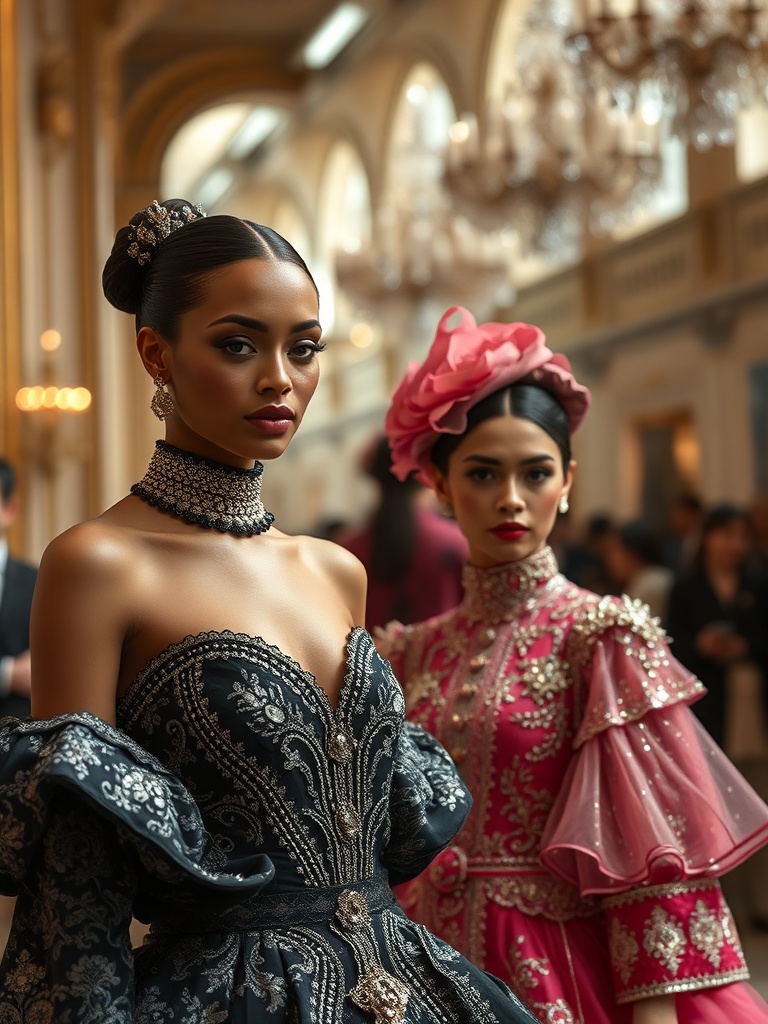
Business Value: Beyond the Price Tag
Couture is not primarily a profit center; it’s a brand halo.
Haute couture showcases a house’s technical mastery and creative direction, elevating ready-to-wear collections and accessories. For collectors and clients, couture delivers rarity, provenance, and potential long-term value. Many couture pieces become museum acquisitions or family heirlooms—lasting far beyond seasonal trends.
Couture and Sustainability
Couture aligns naturally with slow-fashion principles. Tailored production minimizes overstock, and the emphasis on repairability and quality extends garment lifespan. Contemporary ateliers are increasingly combining traditional techniques with responsible sourcing—seeking vintage trims, responsibly produced silks, and recycled embellishments to reduce environmental impact while maintaining opulence.
How Couture Stays Relevant
Couture continues to evolve. Presentations have adapted to reach wider audiences, with digital lookbooks, private salons, and curated exhibitions.
Collaborations between ateliers and contemporary artists or craftsmen introduce new materials and perspectives. Yet the core remains unchanged: a dedication to technique, fit, and storytelling through fabric.
Tips for Collectors and Enthusiasts
– Research provenance and documentation before purchasing—receipts, sketches, and atelier records add value.
– Request condition reports for vintage pieces; keep an eye out for repairs and fabric degradation.
– Consider proper storage: breathable garment bags, padded hangers, and climate-controlled environments preserve textiles.
– If commissioning, allow ample lead time and maintain clear communication about budget, materials, and deadlines.
Learning and Appreciation
For those who want to experience couture beyond buying, learning basic couture techniques unlocks a deeper appreciation. Short courses, specialized workshops, and apprenticeship programs offer hands-on exposure to pattern drafting, hand stitching, and couture finishing. Visiting museum exhibitions and archives also reveals the history and evolution of couture artistry.
Couture remains a beacon of luxury and craftsmanship. Whether admired on a red carpet, studied in a museum, or worn by a private client, couture stands apart through its celebration of human skill, bespoke fit, and timeless design sensibility. For lovers of fashion, it’s where technique and imagination meet to create garments that endure.