Couture vs Haute Couture: Complete Guide to Ateliers, Artisans & Buying Tips
Couture and haute couture remain the pinnacle of fashion craft, where imagination, technique, and luxury meet to create garments that are as much art as they are clothing. For anyone interested in how the top tier of fashion operates, understanding the differences, the processes, and the contemporary shifts can deepen appreciation for these rarefied creations. […]
Couture and haute couture remain the pinnacle of fashion craft, where imagination, technique, and luxury meet to create garments that are as much art as they are clothing.
For anyone interested in how the top tier of fashion operates, understanding the differences, the processes, and the contemporary shifts can deepen appreciation for these rarefied creations.
What separates couture from ready-to-wear
Couture refers broadly to custom-made clothing crafted to an individual’s measurements.
Haute couture is a protected designation centered in Paris: only fashion houses that meet strict criteria for workmanship, staffing, and presentation can officially call themselves haute couture. Unlike mass-produced collections, couture garments are constructed largely by hand, require dozens to thousands of hours of labor, and involve multiple fittings to achieve a perfect, personalized fit.
The atelier and the artisans
At the heart of couture work are ateliers—workshops where skilled artisans execute needlework, draping, tailoring, and embellishment. Techniques such as hand beading, tambour embroidery, hand-pleating, and couture tailoring are taught through long apprenticeships and passed down through generations.
These craftspeople are responsible for the seams and finishes that distinguish a couture gown: invisible stitching, perfectly balanced structure, and surfaces that catch light and movement in unique ways.
Why couture matters to fashion at large
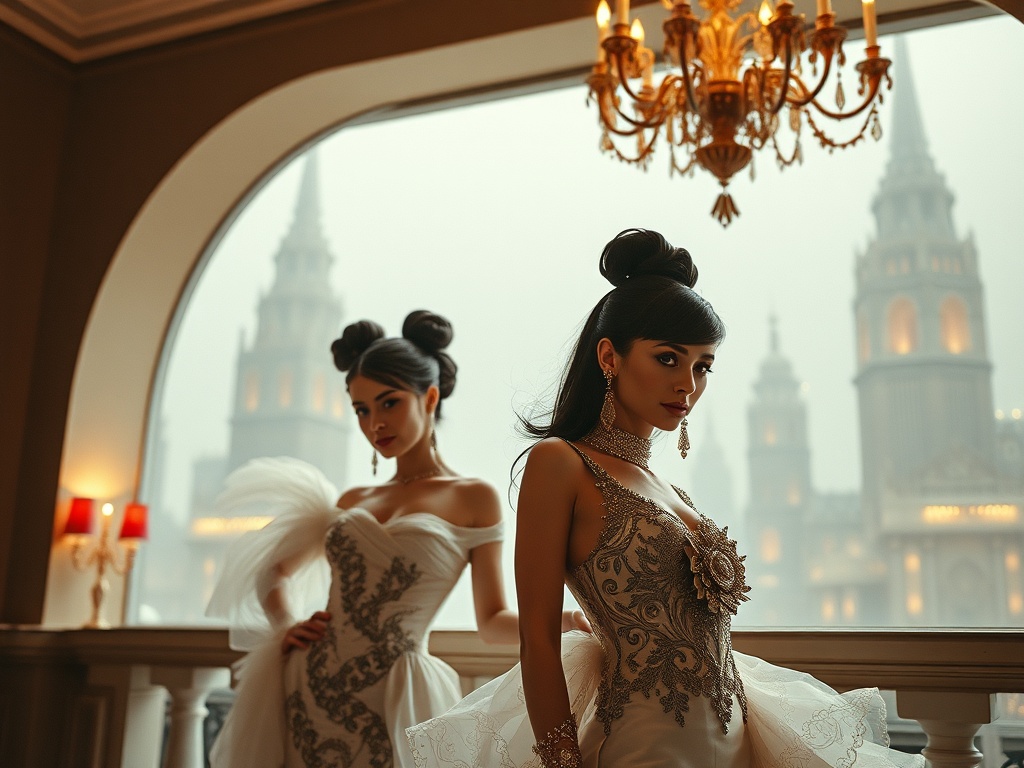
Couture functions as a creative laboratory for luxury brands. Innovations in silhouette, fabrication, and technique often begin in couture and trickle down into ready-to-wear, accessories, and licensing.
Celebrities and tastemakers showcase couture on red carpets and at high-profile events, translating atelier work into global brand cachet. For collectors, couture pieces are investment objects—rare, often one-of-a-kind, and steeped in provenance.
Contemporary evolutions
Today, couture is evolving without losing its artisanal core.
Sustainability and ethical sourcing are increasingly incorporated into atelier practices—from responsibly produced silks to recycling and upcycling vintage trims. Digital tools and advanced materials are being used alongside traditional handcraft: 3D-printed elements can serve as frameworks for hand-applied finishes, while digital projection can aid in design visualization before a single seam is cut. Collaborations with regional artisans around the world are also expanding the palette of techniques and materials available to designers.
How to engage with couture
For those curious about experiencing couture, there are several routes:
– Commission a bespoke piece through a couture house or independent atelier for a truly personalized experience.
– Attend private appointments during couture exhibitions or trunk shows, where pieces may be shown by prior arrangement.
– Follow museum exhibitions and books that document historic and contemporary couture to appreciate technique and heritage.
– Consider resale and rental services that make high-fashion occasions more accessible while extending the lifecycle of couture pieces.
What to look for when buying or commissioning
Value lies in workmanship and condition. Examine seams, linings, and finishes—hand stitching, matched patterns, and meticulous interiors signal authentic couture quality. Provenance and documentation (invoices, tailoring notes, atelier labels) enhance collectibility. When commissioning, clear communication about budget, timeline, and the number of fittings will help align expectations with couture realities.
Couture is more than luxury clothing; it’s a living tradition that celebrates human skill and creativity.
Whether admired from the front row, worn on a special night, or studied in a museum, couture continues to shape the language of fashion while preserving techniques that might otherwise be lost.