Charting the Future of Fashion: The Rise and Impact of Virtual Fashion Weeks
The Uniqueness of Virtual Fashion Weeks Fashion Week, a globally recognized event that traditionally takes place in the fashion capitals of the world, has undeniably been a key fixture in the industry’s calendar. However, today, models are walking down virtual runways, and audiences are applauding from their living rooms. This evolution has forced designers, organizers, […]
The Uniqueness of Virtual Fashion Weeks
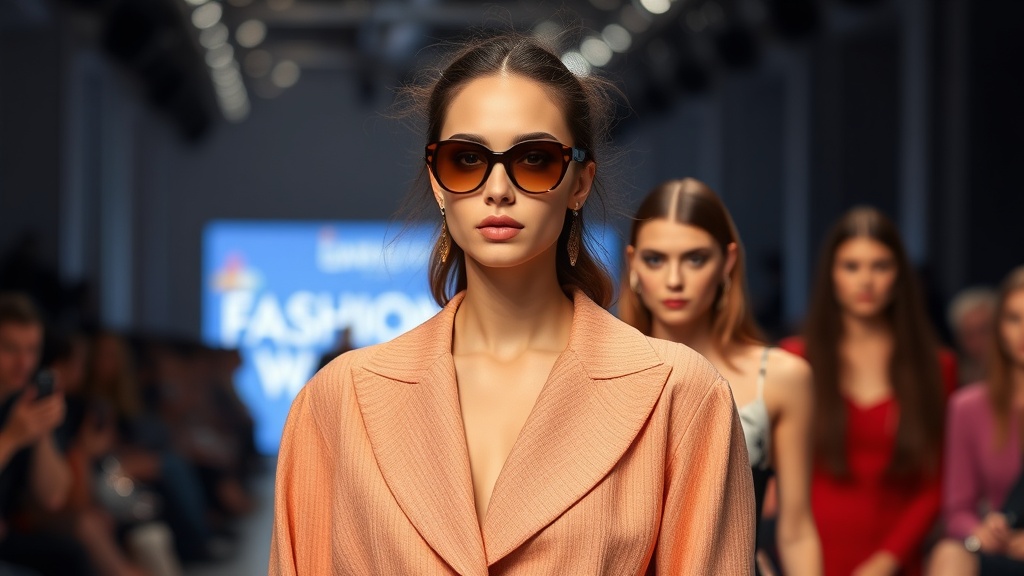
Fashion Week, a globally recognized event that traditionally takes place in the fashion capitals of the world, has undeniably been a key fixture in the industry’s calendar. However, today, models are walking down virtual runways, and audiences are applauding from their living rooms. This evolution has forced designers, organizers, and industry insiders to rethink and redesign the way they present their collections to the world. The concept of Virtual Fashion Weeks is currently a trend that’s making waves across the fashion sphere.
The novel format of Virtual Fashion Weeks allows fashion enthusiasts, influencers, and buyers from all corners of the world to have front-row access to these shows, breaking the barriers of geographical location.
Beyond the runway, these digital events offer behind-the-scene glimpses, designer interviews, and interactive elements, offering an immersive experience to the audience.
However, the virtual shift hasn’t merely been about accessibility and inclusivity.
It’s also about sustainability. Conventional fashion weeks are known for their colossal carbon footprints, due to the sheer number of people flying in from all around the globe, and the waste generated from single-use props and materials.
By moving online, the fashion industry is making a conscious effort to reduce its environmental impact.
Moreover, Virtual Fashion Weeks offer an opportunity for designers to be more innovative and creative with their presentations. Without the constraints of a physical runway, designers can truly showcase their vision through unique digital narratives.
They can explore various types of media to tell their stories, including film, 3D animation, and even augmented reality.
This digital freedom allows for a more engaging and memorable showcase of collections.
Despite these advancements, critics argue that digital platforms cannot replace the energy, excitement, and networking opportunities that traditional fashion weeks offer. The tactile experience of feeling the fabrics, the adrenaline rush of live shows, the spontaneous reactions of the audience – these elements are challenging to replicate online.
Nevertheless, the fashion industry’s pivot towards digitalization has had undeniably positive effects. Indie designers and small brands have been able to gain more visibility, thanks to the removal of physical barriers. This democratization has shaken up the industry, giving young talent an opportunity to shine alongside established names.
Furthermore, the virtual shift has given rise to novel marketing strategies.
Brands are leveraging social media platforms to reach a wider audience, with Instagram takeovers, live Q&As, and shoppable links directly from the runway.
This heightened engagement is beneficial not just for the brands but also for consumers who yearn for a more interactive shopping experience.
Today, as the world navigates through the digital age, the fashion industry is uniquely positioned to redefine its future. The concept of Virtual Fashion Weeks represents a compelling fusion of technology, creativity, sustainability, and inclusivity. Although critics and traditionalists may question its efficacy, there’s no denying that this innovative approach is transforming the landscape of fashion in a significant way.
While we may not know what the future holds for this digital shift, it’s apparent that Virtual Fashion Weeks are here to stay, at least for the foreseeable future. This innovative approach has opened a myriad of possibilities, making fashion more accessible and sustainable while challenging designers to be more creative in their presentations.
As the lines between the physical and virtual world continue to blur, it’s exciting to imagine what the next chapter of fashion will look like.