Behind the Runway: How Digital Media Transforms Global Fashion Week Coverage
The world of fashion is an ever-evolving landscape, brimming with creativity, innovation, and trend-setting styles. Few events encapsulate this dynamism better than the international Fashion Weeks. From the glitz of Paris and New York to the charm of London and Milan, these events provide a global platform for designers to showcase their latest collections. But […]
The world of fashion is an ever-evolving landscape, brimming with creativity, innovation, and trend-setting styles.
Few events encapsulate this dynamism better than the international Fashion Weeks. From the glitz of Paris and New York to the charm of London and Milan, these events provide a global platform for designers to showcase their latest collections. But the real spectacle often lies behind the scenes in the robust mechanism of Fashion Week coverage.
In the realm of fashion, visibility and representation are paramount. It’s no surprise then that covering Fashion Week requires a multifaceted approach.
The list of personnel involved in these large-scale events extends beyond just models and designers to include photographers, journalists, bloggers, influencers, and even celebrities. Each plays a pivotal role in shaping the narrative that reaches millions of fashion enthusiasts worldwide.
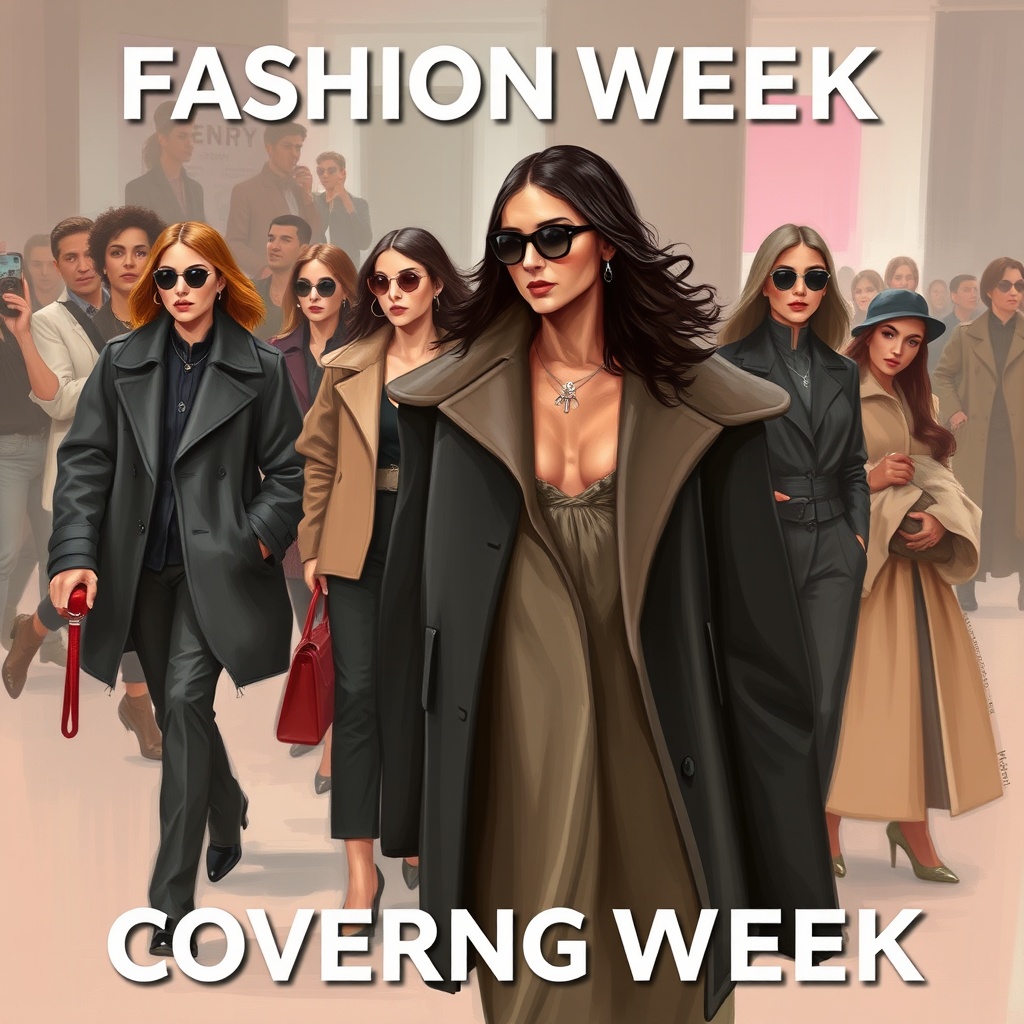
With the rise of digital media, the ways we consume fashion have transformed dramatically.
Fashion Week coverage has shifted from exclusive features in glossy magazines to real-time updates on social media platforms. Runway looks are now instantly accessible, with behind-the-scenes snippets, designer interviews, and front-row insights readily available at our fingertips.
Arguably, the most influential contributors to this digital coverage are fashion bloggers and influencers. Armed with their unique perspectives, they offer an accessible and relatable lens through which the average fashion enthusiast can view these otherwise elite events.
Their real-time posts and stories on platforms like Instagram and TikTok provide a candid look into the world of high fashion, often humanizing an industry notorious for its perceived exclusivity.
Simultaneously, professional fashion journalists continue to hold their ground, providing critical analysis and expert commentary. Amidst the sea of instant gratification, they deliver in-depth reviews of collections, interpret trends, and offer insights into the socio-cultural implications of fashion. Their work, often published in leading fashion magazines and websites, adds a layer of credibility and authority to Fashion Week coverage.
On the visual front, fashion photographers play an irreplaceable role.
Capturing the essence of designs, the emotion of models, and the energy of the runway, they translate the tangible into the digital, ensuring that the magic of Fashion Week transcends geographical boundaries. They work tirelessly, often overlooked, to turn fleeting runway moments into timeless fashion statements.
And then there’s the celebrity factor.
The presence of celebrities at Fashion Week not only adds to the glamor but also significantly influences trends.
Their endorsement of certain designers or styles, coupled with their massive fan following, can propel a trend into the mainstream.
However, the essence of Fashion Week coverage extends beyond mere reporting. It’s a narrative woven with threads of creativity, passion, and innovation, designed to inspire and engage. It’s about showcasing the hard work of designers, the skill of models, and the talent of photographers, all while bringing the latest fashion trends to the global stage.
Despite the challenges posed by the changing landscape of media consumption, Fashion Week coverage continues to adapt and thrive. The amalgamation of traditional journalism with social media influence, professional photography with user-generated content, and celebrity endorsement with street style trends paints a comprehensive picture of the fashion industry today. It’s a testament to the enduring allure of fashion and a celebration of the creative forces behind it.
With every Fashion Week, the fashion world becomes a global stage where art, culture, and style converge. And while the lights may dim and the curtains may close, the coverage continues, fueling anticipation for the next season, and keeping the spirit of fashion alive.